Why Recycle - Recycling 101
Recycling 101: Why Recycle?
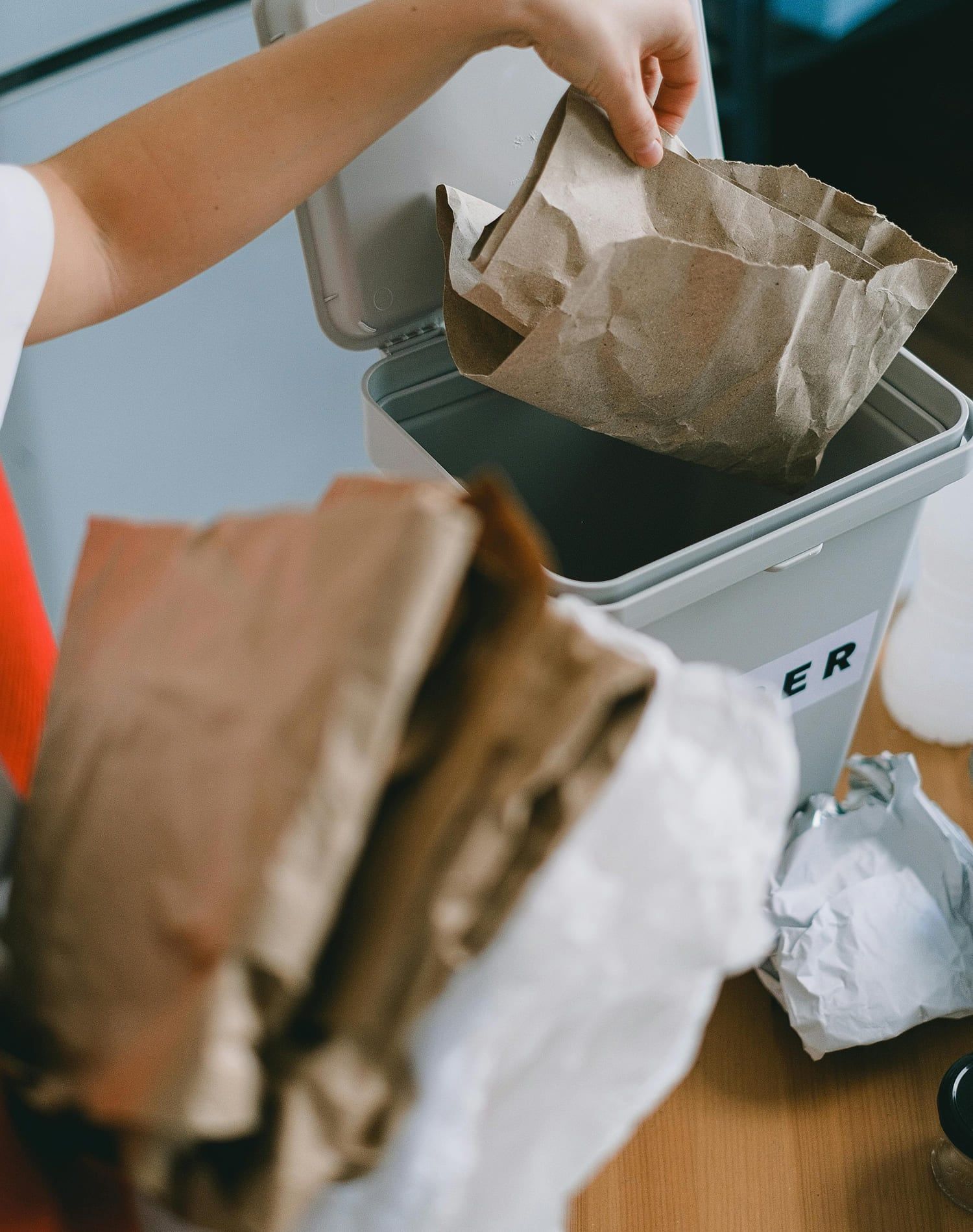
I'm the first to say that recycling isn't perfect; in fact, it's quite far from it. But there are a lot of benefits now, and what we should be aiming for in the future. This is the first instalment of Recycling 101 – Why Recycle. Recycling 101 is a blog series that goes through the basics of recycling, waste, and composting so that you can move through the world with a little more understanding of the good, the bad, and the ugly. These articles can be shared within your organization to help your team build up their knowledge and demonstrate your organization's commitment to waste reduction.
The Benefits of Recycling
The benefits of recycling are numerous:
- Recycling keeps materials in use, maximizing the use of our resources during their usable life.
- This reduces the need to take raw materials from the environment, such as through forestry or mining.
- Many materials degrade each time they go through the recycling process, but recycling gives them a second, third, or fourth chance of being used before they reach a non-usable state.
Paper is a great example of this and a commonly recycled material. As a fiber-based material, each time it is recycled the fibers become smaller and smaller. On average, it is estimated that paper can be recycled 4–6 times. As the materials degrade, they're used for lower-quality paper products like tissues, napkins, or toilet paper. At this point, the fibers are too small to be recycled and are better off composted. Meanwhile, glass doesn't reduce in quality when it's recycled and can be recycled endlessly if captured and separated correctly.
Energy and Emissions Savings
Even when you account for the additional sorting and transporting of materials, recycling uses less energy than using raw materials. Whether it's aluminum, paper, plastic, or glass, it's very energy-intensive to process them into the end materials. Aluminum is the best-performing material; it takes the same amount of energy to make one virgin can as it does to make 20 from recycled materials. Just one recycled can could power your TV for two hours.
- Recycled paper uses 60% less energy than raw materials.
- Recycled plastic uses, on average, a third less energy than raw materials.
- Recycled glass uses 30% less energy than raw materials.
As we've established earlier, recycling reduces energy usage, and carbon emissions are also reduced from the manufacturing process.
Landfill and Resource Management
We all know landfill is a problem. With the rate at which our waste continues to increase around the world, we're going to run out of viable places to dump our rubbish. While we're getting better at offsetting the environmental impacts of landfill, with the collection of gases to produce electricity, we can't continue to pave over paradise to build landfills at the current rate. We treat things as we value them. Low-value items like pens, hair ties, and phone cases don't hold a lot of value in our lives, so we often lose them without a second thought—except that I now need to find a new pen.
Recycling is often cheaper than landfill—or even free. This is a massive drawcard for many people or organizations; whatever the motivation, it's all helping. Recycling is imperfect, but with waste reduction practices, careful material selection, and better infrastructure in our offices, we can continue to reduce our environmental impact.
Next up in Recycling 101: Recycling Terms Glossary
Explore More Stories
Discover more insights and stories from our journal