Building a Home Compost
Home Composting: A Guide to Reducing Your Environmental Footprint
Composting is nature's way of recycling, and it comes without all the confusion about which day it gets collected on. More importantly, it's an easy way to substantially reduce your environmental footprint. On average, 1/3 of all household waste is food or organic materials that can be composted instead of being sent to landfill. Organic waste in landfills produces methane, a greenhouse gas that is 8 times more potent than CO2 and amounts to 8% of the world's greenhouse gas emissions.
What to Compost (and What Not To)
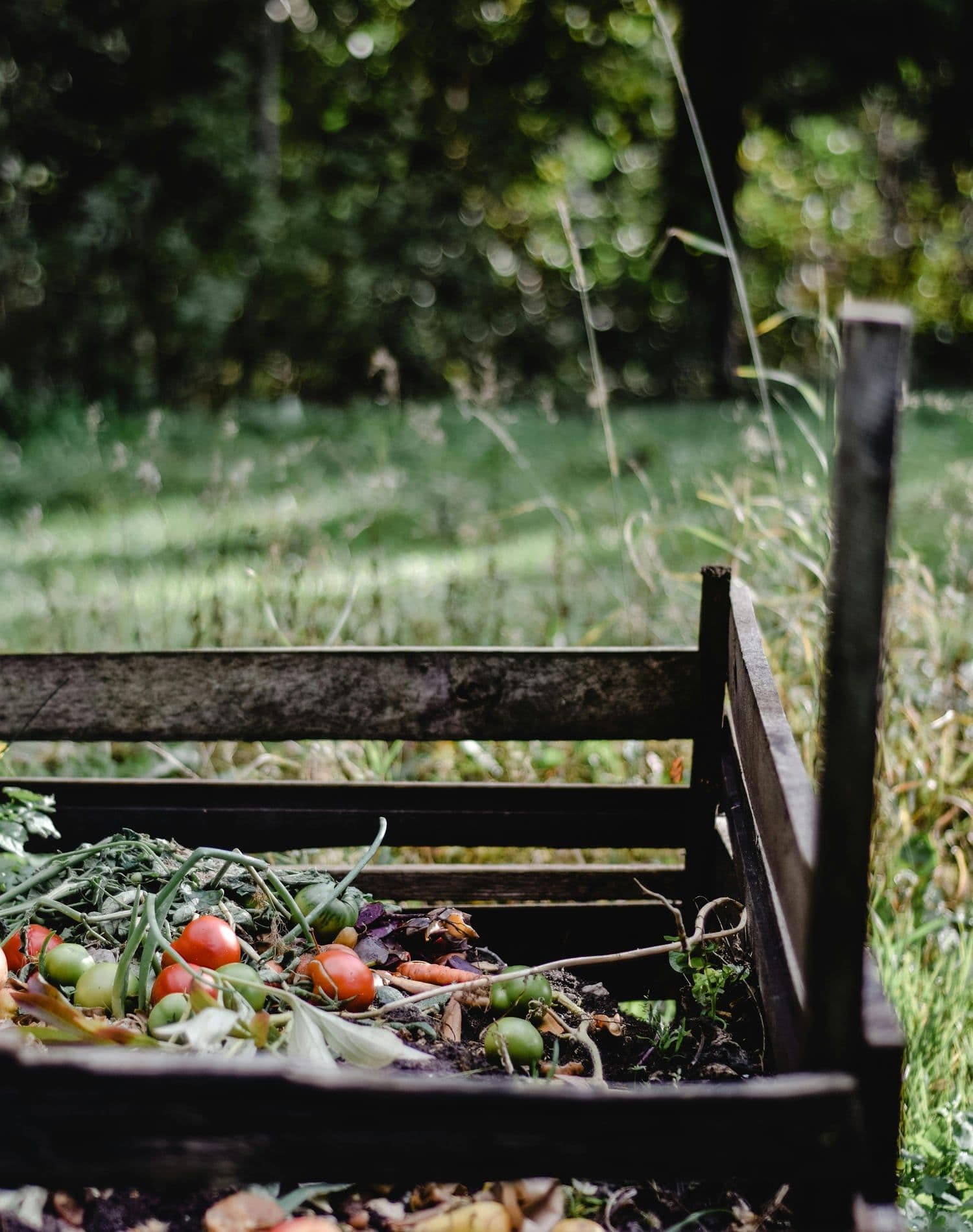
First, it's important to know what you will and won't be putting into your compost to ensure things break down correctly and you don't attract any rodents. The majority of organic waste material from your kitchen and garden can go into the compost bin, including:
- Fruit and vegetable scraps
- Bread, pasta, and eggshells
- Coffee grounds and paper tea bags
- Grass, leaves, and sticks (though avoid anything too big)
- Newspaper, unbleached paper towels or tissues, and small amounts of cardboard
Things that you shouldn't put in your compost include: It is important that the area is well-drained and draws moisture away from the bottom of the bins; otherwise, it becomes soggy. It's best to keep it out of sight and away from living and sleeping areas. It needs to be sheltered from wind and extreme heat, so a shady area is best.
Building Your Compost Bin
You will need:
- Spare wood or wooden pallets for the sides and posts (It's best to find wood of around 1m in length to make sure your compost will be a good size)
- Long nails or screws
- Extra wood if you plan to make a lid
Instructions:
- Clear a 1x1m square area where you're going to put the compost bin and level the ground using a shovel or a rake if it is uneven. This has to be over bare dirt or soil, not on a concrete surface. 2. Dig 4 small holes in the corners of the area and place your 4 posts into them. Using a sledgehammer or heavy tool, drive them about 20-30cm deep into the ground so your compost has stability. 3. Line up planks on each side of the posts, and use a hammer or screwdriver to secure each plank to the posts. Space the planks 50mm apart so that the compost has air to breathe. 4. You want your compost to be about 4 or 5 planks high on each side to make sure there is enough space for the organic waste to break down. 5. If you decide to have a lid, you can make a simple one by nailing together more 1m long planks (about 7 or 8) and securing them together with another two planks across the top.
Compost Maintenance and Use
While maintenance is minimal, regularly turning the pile is better for your compost. Keep the pile dry as the materials going into it will create moisture, and you need as little sogginess as possible. If your pile is too wet, add shredded newspaper or dry leaves. This material will soak up the excess moisture and prevent mold from forming. A great result is when your compost looks and smells like dark, rich soil. You can use it in many ways, like in garden beds, in container plantings, and even as an ingredient in seed-starting mix.
Explore More Stories
Discover more insights and stories from our journal