Paper Recycling - Recycling 101
Paper is made of fibres that get shorter each time they are recycled. Most paper survives around five to seven trips through the paper recycling process before the fibres become too short to bond, at which point it is downcycled into lower-grade products like tissue, newsprint and egg cartons. So what actually happens between your recycling bin and that next product?
Why clean paper matters
Paper is the only soft recyclable material, which makes it vulnerable to contamination from liquids, oils and whatever else shares the bin. The cleaner a stream of material, the more valuable it is to a recycler. It is why supermarkets that bale their cardboard separately from mixed recycling pay less for collection.
An office can't always collect paper on its own, but wherever possible keep it away from glass. Broken glass embeds itself in fibre and causes real problems during processing.
How the paper recycling process works
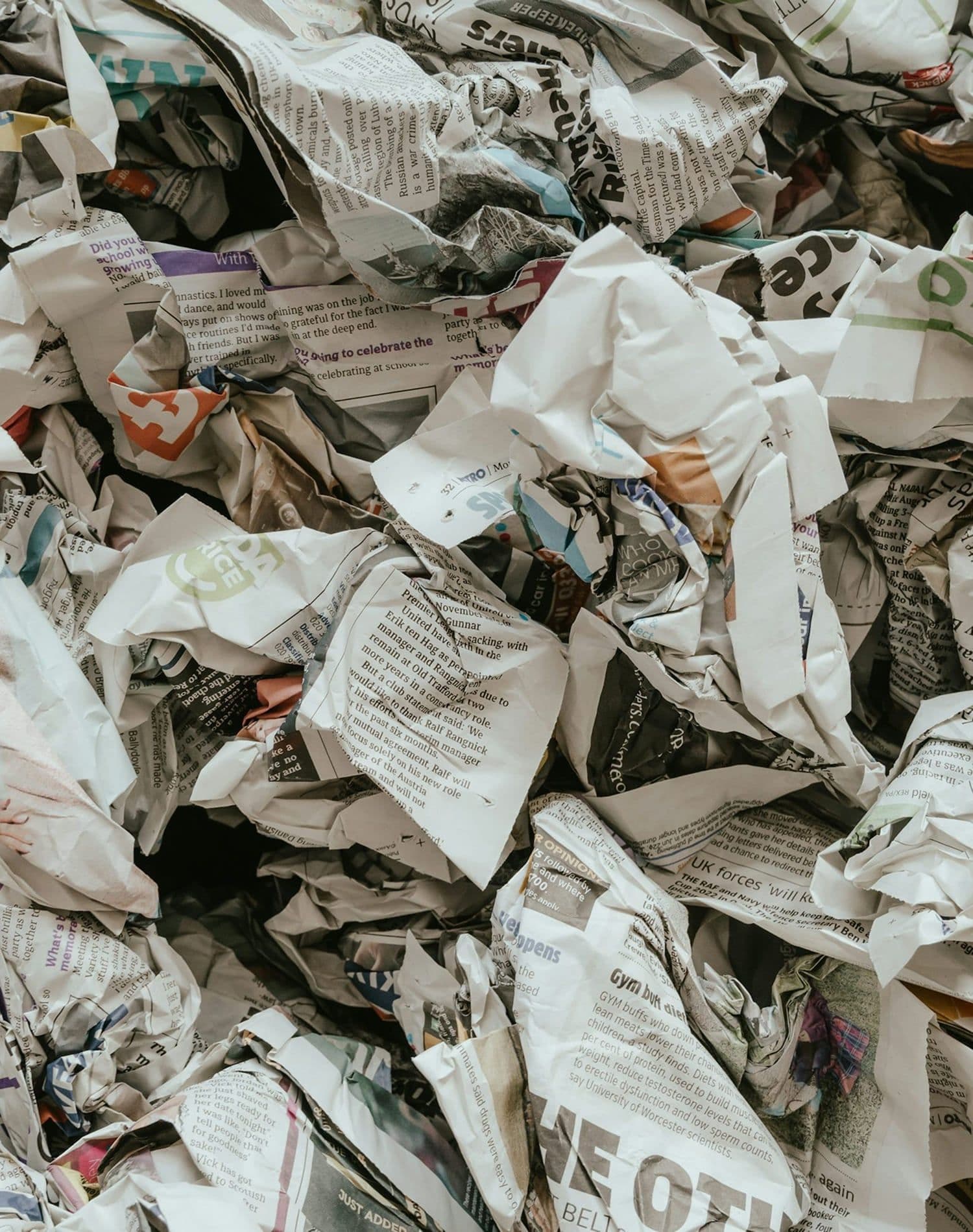
Once collected from homes and businesses, paper is taken to a material recovery facility (MRF), where it is separated from plastics and cans and baled for the recycler. At the mill it is sorted again by type, colour and quality. The sorting matters because different grades behave differently: newsprint, office paper and cardboard each have their own fibre characteristics and processing requirements. Good sorting keeps contamination down and the quality of the recycled paper up.
Pulping and cleaning
The sorted paper is shredded, then mixed with water and chemicals to form a slurry called pulp. The pulp is cleaned to remove staples, paper clips, tape, glue and other impurities, then de-inked using flotation or chemical methods that lift the ink away from the fibres.
The clean pulp is spread across large screens to form a sheet, pressed to remove excess water, then dried and wound onto large reels. From there it can become anything from office paper to cardboard.
Frequently asked questions about recycling paper
Can I recycle receipts?
No. Most receipts are printed on thermal paper coated with chemical developers such as BPA or its common substitute BPS, so they contaminate the fibre stream and belong in general waste. That includes receipts marked BPA-free.
Can I recycle glossy magazines and boxes?
Usually, yes. Standard gloss comes from mineral coatings and pressure treatments, and the paper underneath recycles normally. Just check it isn't lined with plastic or wax.
Can I recycle paper towels and tissues?
No. They usually carry residues like cleaning chemicals or food scraps, and they are made from fibre that has already been recycled several times, so the fibres are too short to use again.
Can I recycle shredded paper?
No. The pieces are too small to sort and end up falling off the machinery. In New Zealand, kerbside collections exclude anything under 50 mm for the same reason.
Can I recycle envelopes?
Yes. The small plastic window is removed during the recycling process, so envelopes can go in as they are.
Can I recycle pizza boxes?
In New Zealand, yes. Since kerbside collections were standardised in February 2024, empty pizza boxes are accepted, light grease included. Remove any food scraps, and if part of the box is heavily soiled, tear that part off and put it in the rubbish. Elsewhere, check your council's guidance.
Can I recycle coffee cups?
No. Takeaway cups are lined with plastic, which rules them out of paper recycling.
Can I recycle paper with staples?
Yes. Staples are removed during the pulping process.
Can I recycle drink cartons like Tetra Pak?
Not kerbside. Liquid paperboard combines paper, plastic and foil, and it is excluded from New Zealand's standard kerbside collections. Some areas have drop-off points for cartons, so it is worth checking locally.
Can I recycle tissue paper and wrapping paper?
Tissue paper, no: like paper towels, its fibres are too short. Standard wrapping paper is recyclable if it passes the rip test, tearing cleanly like paper rather than stretching like plastic.
Can I recycle compostable packaging?
Only if it is labelled as being made of paper and is free of food remnants. Compostable packaging is made from a wide range of materials, and most of it belongs in a compost collection or general waste, not the recycling bin.
Explore More Stories
Discover more insights and stories from our journal