Method Twenty Wins a Good Design Award
The Method Twenty: A Smaller Bin, A Bigger Impact
This post is part of a series where co-founder Steven Korner discusses various topics, from design to engineering sustainable products. He describes a thoughtful product range that integrates thinking around behavior change.
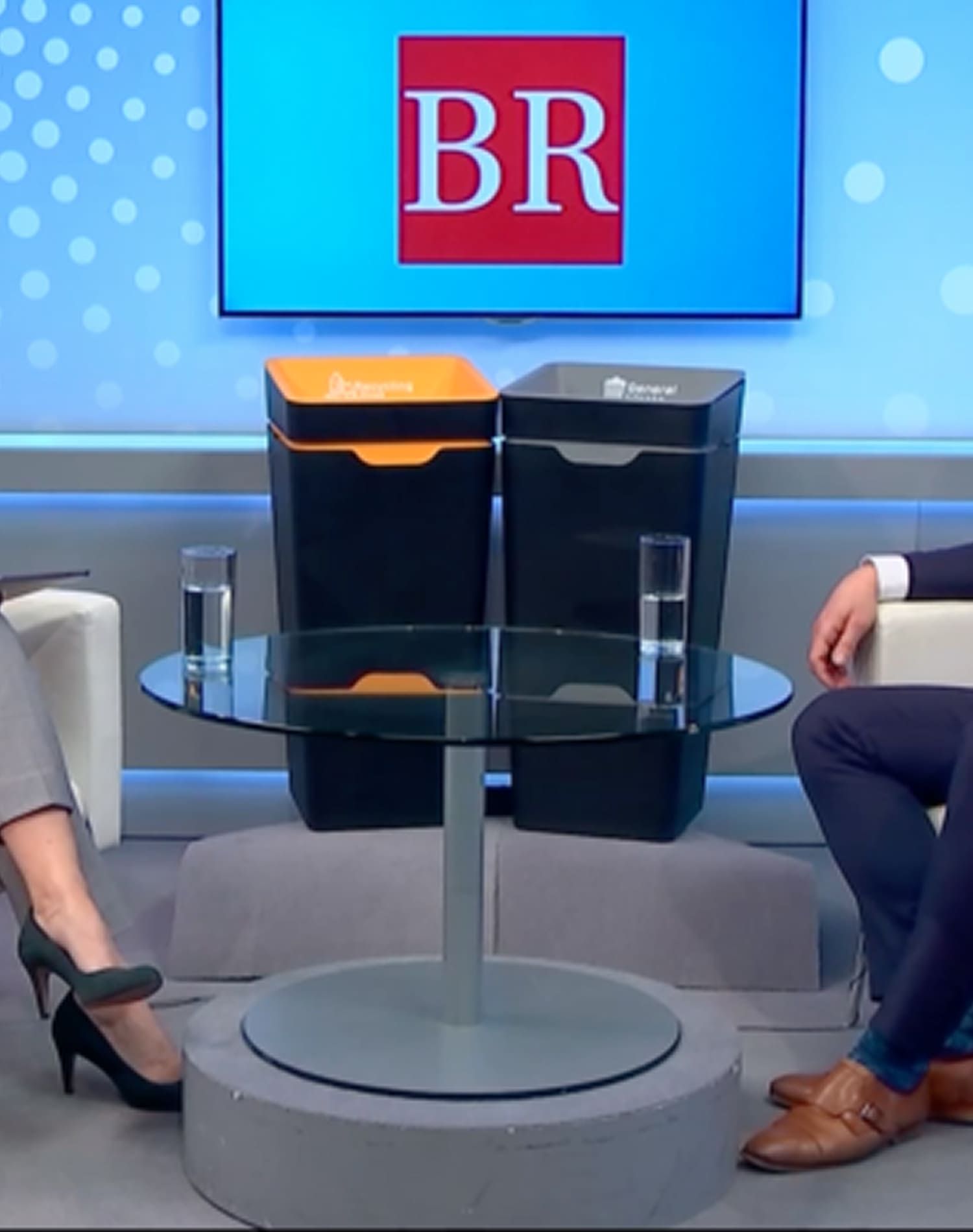
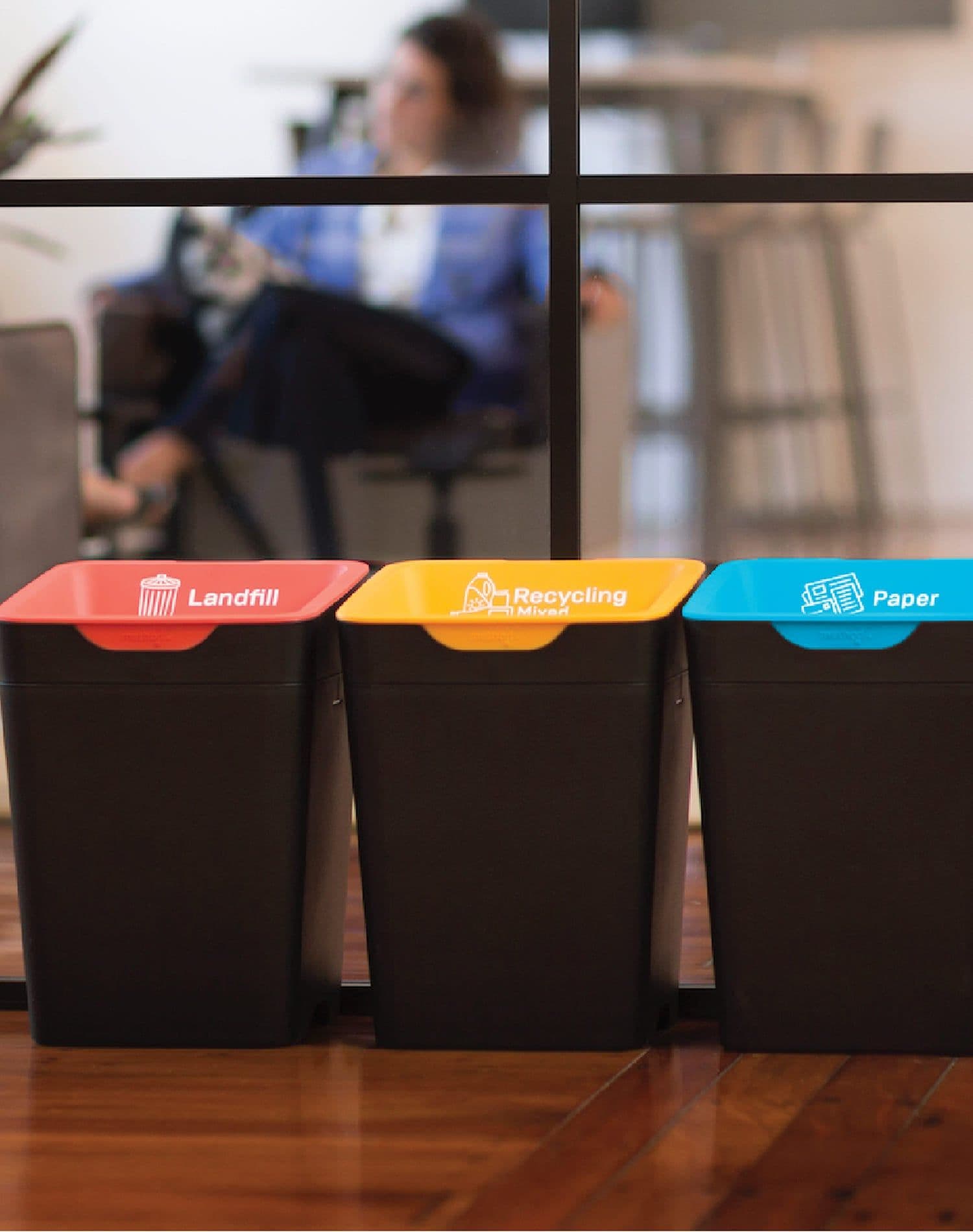
The aesthetics of the bins are striking, and the color-coding of functions enables ease of use. This is good design with extensive use of reprocessed raw materials. The product design is also well-resolved in terms of volume sizing to assist with disposal workflows, and the bag retention system is a clever innovation.
Award-Winning Design
This week, the Method Twenty officially joined the Method family of award-winning products. It received a prestigious Good Design Award Winner accolade in the Product Design Commercial and Industrial category in recognition of outstanding design and innovation.
It goes without saying that it has been a tough year, the kind of year you could not imagine preparing for, particularly as a business owner. But we have pivoted our business, and we have learned and grown with the chaos. The Twenty launch campaign was only six days in when restrictions hit, and we had to hit the brakes, so this award has come at a great time.
When India and I started Method, we knew that recycling and waste needed to be tackled with a design approach to make change. The Australian International Good Design Awards represents the values we follow in all that we do: that design should not only be beautiful but change behaviors, have an impact, and be innovative. The Method Twenty is just the next step in our pursuit of change, and we continue to work on innovations that change the world of recycling in the workplace and the integration of recycled materials.
Addressing a Market Need
International co-working provider The Office Group loved the Method Sixty-Litre bins, philosophy of visible recycling, and ethos but saw a gap in our existing product mix. Specifically, the co-working industry is seeing expansive growth in small studio spaces for teams of six to ten people. This led to in-depth market research that identified other "forgotten" spaces where a lone dustbin may sit if 60L bins are too large, such as meeting rooms, kitchenettes, or event spaces. We needed to create a smaller solution that complemented the current range while maintaining consistency, flexibility, and a user focus.
The Twenty maintained product and branding attributes while considering the needs of all individuals that interact with the product, including cleaners, facility managers, users, and management. Cleaners interacted with early prototypes to ensure they can safely, easily, and hygienically service a large number of the bins. We considered the lifetime impact of the bins—are they efficient to clean, reduce logistic emissions given the relatively large product, and ensured the packaging is simple, effective, and fully recyclable. Lastly, does it aesthetically and functionally develop Method's Open Plan Recycling System, making recycling a part of the office and creating awareness?
Smaller bins are often emptied into larger receptacles, so they feature a built-in, easy-grip handle to make servicing simple and safe. There is also a notch out of the top of the bin to indicate its location. The aperture of the chute was tested extensively to ensure ease of use with users approaching the bin from a different angle. The draft angle of the bin was optimized for efficient stackability and manufactured in three parts to reduce operating costs and the environmental footprint of shipping—while still being simple to install by office managers.
We are yet to find a reliable and sufficient source of clear recycled polypropylene for the colored parts of the bin. So the Twenty was designed to maximize black components without losing the brand and behavior change elements. Like our 60L, it was designed with an aesthetic to fit into a wide range of spaces, from architects to accountants.
Method's Patented Bag Retainer System is a key feature in all of our bins; it locks liners in place while hiding them from sight to maintain the aesthetic while making the bins simple, quick, and hygienic to service. Method as a whole exists to show how design can enact sustainable behavior change in the recycling and waste space. The 20L bins allow our customers to implement a consistent and standardized solution out in the open in their workplace, venue, or university; this increases awareness and makes recycling an unconscious habit.
Further, in 2019 we utilized over 44 tonnes of recycled plastic in our 60L bins, which only contain 50% recycled materials. So with the 20L bins containing 80%, we have the opportunity to divert even more plastic from landfill.
About Steven Korner
Steven Korner graduated from the University of Canterbury with first-class honors in Mechanical Engineering. After leading the neonatal care product design team at Fisher and Paykel, and inspired by buying Total Bins, he and his wife India decided to create their own company and their own product. Steven took an analytical approach with Method—spending weeks researching, prototyping, and gaining customer insights to decipher what could really make a difference in the waste market. As co-founder and CEO, he has spearheaded Method's innovative product research, development, and design, and is the creator of Method's award-winning 60L Office Recycling Bin.
Explore More Stories
Discover more insights and stories from our journal