What are waste streams and why do they matter?
Understanding Waste Streams and Recycling
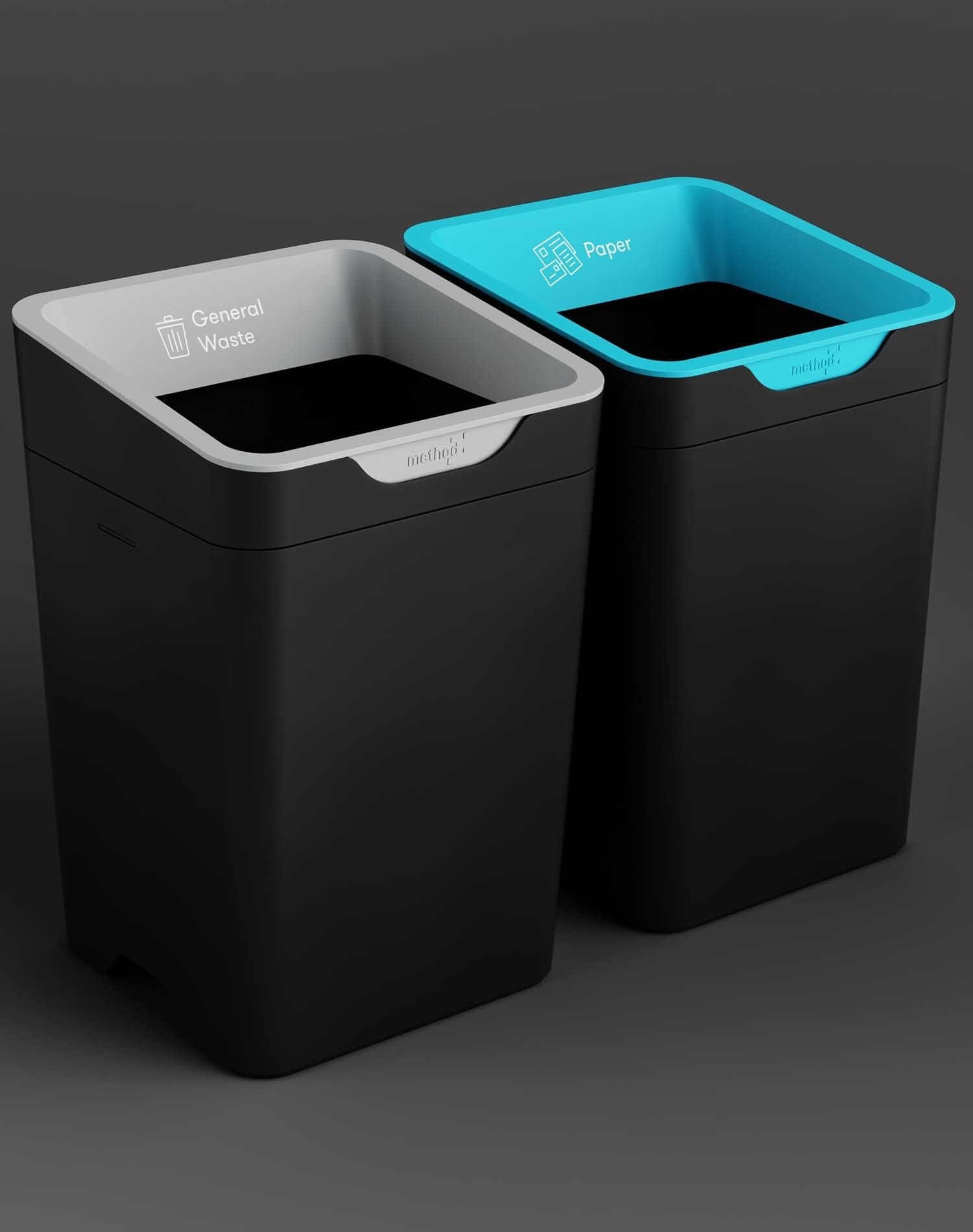
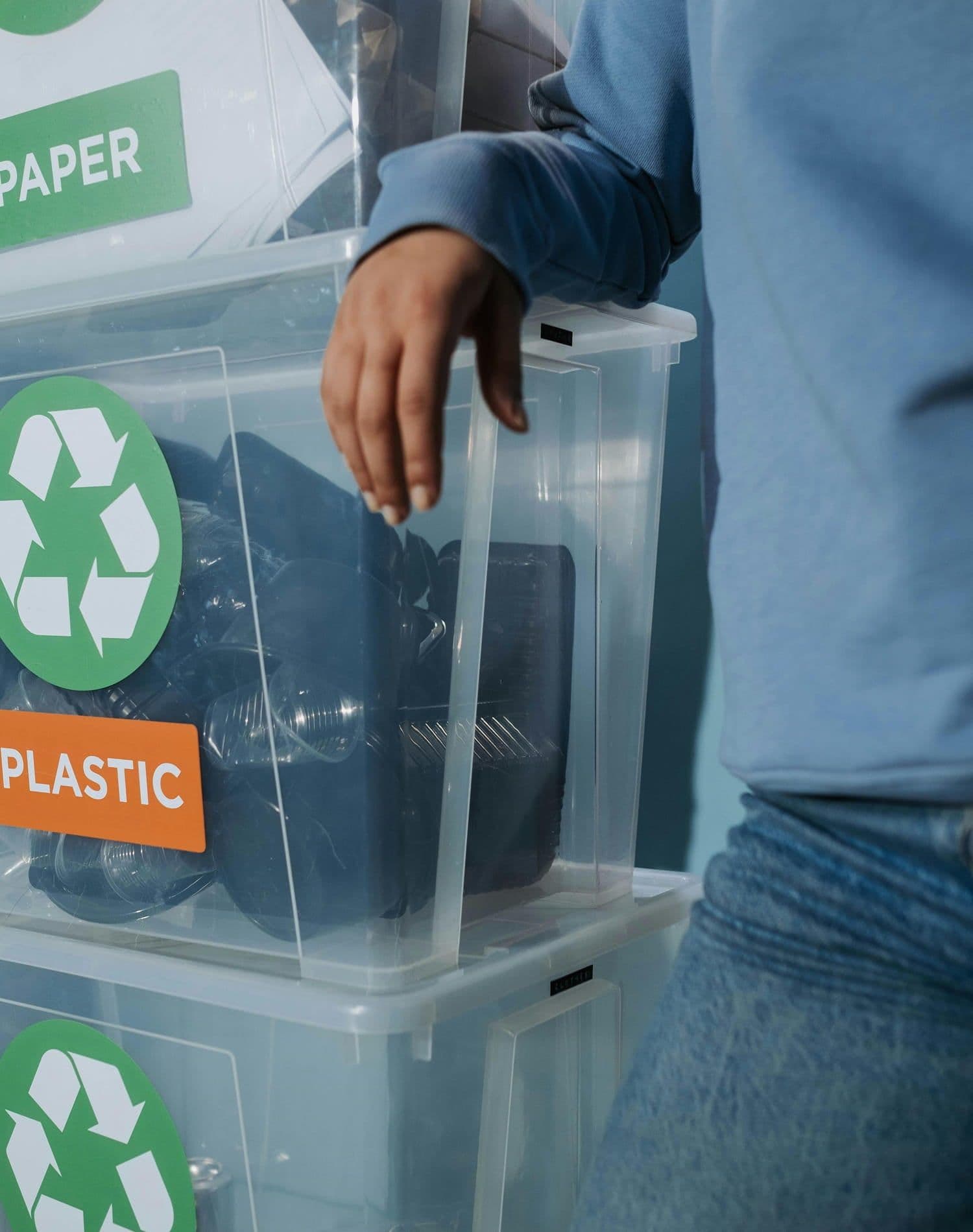
Waste streams refer to the different bins used to collect waste. These are largely determined by your waste provider. There's no single best method, but understanding your options is crucial.
Key Questions to Ask About Your Waste Streams
Before implementing a recycling program, consider these important questions:
- Do I understand the waste in my building?
- What materials does my business produce in significant quantities? If unsure, consider a waste audit.
- What are the local standards for my area or building/facility?
- Do I have the right waste provider for my needs? Do they collect everything required? Can I reduce costs with increased separation? Are there additional fees (landfill levies, frequency, contamination fees)?
- How many bins/stations are needed? This depends on workspace size and the number of employees.
- What are your waste diversion goals/targets?
Common Recycling Methods: Pros and Cons
Recycling is complex, but proper infrastructure is essential for success. A waste audit is a great starting point. We often focus on plastic and paper, overlooking other materials. If one stream produces a large amount of waste, consider finding ways to reuse those materials. Reuse is preferable to recycling whenever possible.
Co-mingled (Single Stream) Recycling
Also known as single-stream recycling, this involves collecting all common recyclables (paper, glass, plastic, metals) together. While simple for users, it has drawbacks:
- Greater manual and mechanical separation is needed at the Material Recovery Facility (MRF).
- Contamination increases.
- Material quality reduces.
- It often costs more than dual-stream recycling.
- Materials can damage each other (e.g., glass breaking).
Mixed (Dual Stream) Recycling
This method separates one problematic material (often paper) to reduce damage and contamination. Separating paper, which often accounts for the largest portion of office recyclables, improves material quality and the commodity price.
Source Separation Recycling
This involves separate bins for most materials. It reduces contamination and maintains recyclables' quality, extending their lifespan. While requiring more manpower upfront, it reduces sorting at the MRF. Contaminated recycling can lead to landfill disposal, equipment damage, or additional fees.
Explore More Stories
Discover more insights and stories from our journal