Recycling 101: Guide to the Waste Hierarchy
Throughout our Recycling 101 series, we've covered what to recycle and how. But recycling is only one part of managing waste well, and it isn't the most important part. Recycling has real problems, from contamination to confusing rules, and the OECD estimates that just 9% of the world's plastic waste is actually recycled. The waste hierarchy is the framework that puts recycling in its proper place: useful, but a long way from the top.
What is the waste hierarchy?
The waste hierarchy is a framework of waste management principles, usually drawn as a pyramid. The best ways to reduce and eliminate waste sit at the top, and the worst sit at the bottom. It's a practical guide for anyone working toward zero waste, whether at home or across an organisation. Versions vary, some with more tiers and some with fewer, but they all rank the same basic ideas in roughly the same order.
The tiers of the waste hierarchy
Refuse and reduce
The first tier, and always the preferred option where possible. Refusing means stopping waste at its source by declining products that are harmful or simply unnecessary. Reducing means cutting back on the products you can't eliminate entirely. In practice this tier is about rethinking how we use things: designing more efficient systems and asking what we truly need.
Reuse
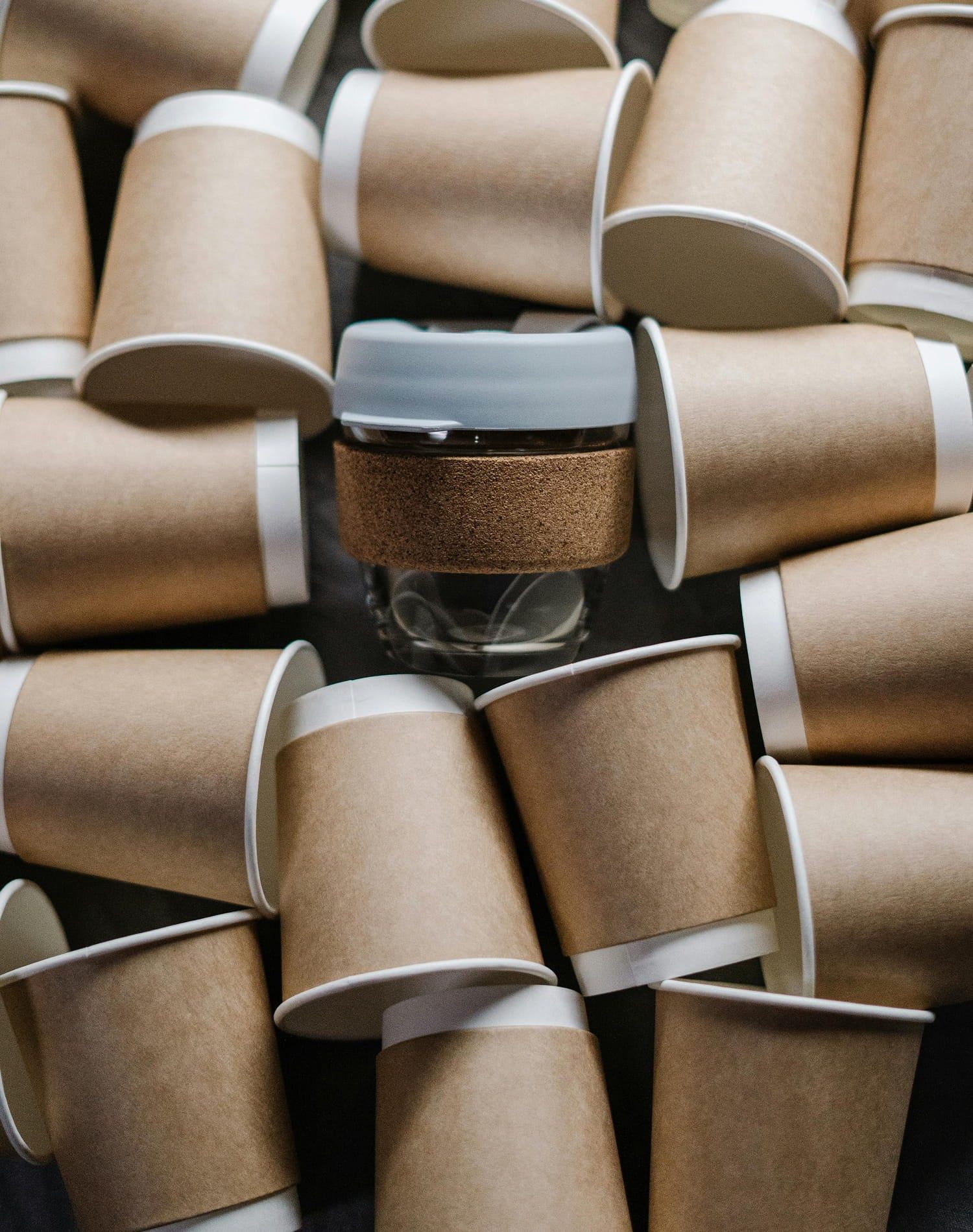
Avoiding products and packaging altogether isn't always possible, and reusing what you have is the next best thing. Reuse covers a wide range of actions, from repairing and maintaining products to buying used instead of new, and it applies just as much to organisations as to individuals.
- Reuse glass jars as food storage.
- Repair electronics instead of replacing them.
- If you're moving, ask local shops for used cardboard boxes.
- Buy second-hand goods and clothing instead of new.
Repurpose
When something can no longer serve its original purpose, finding a new use for it, or for parts of it, still keeps it out of landfill.
- Use old t-shirts as dusting rags.
- Turn wooden furniture into shelves or other pieces.
- Make a pet bed out of old towels.
- Keep paper towel and toilet rolls for arts and crafts.
Recycle
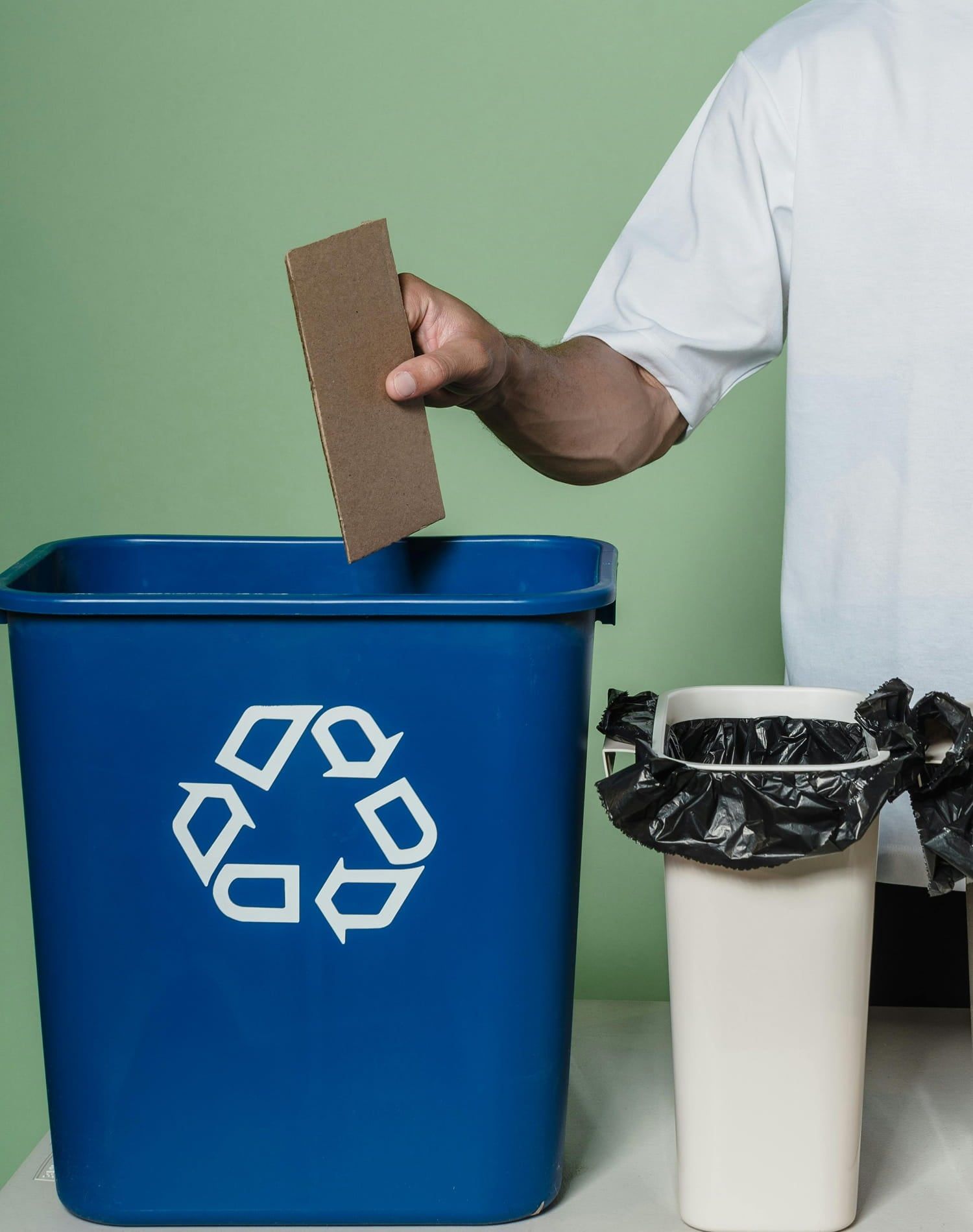
Recycling, which includes composting food scraps, is often treated as the easy environmentally friendly choice. We advocate for recycling and for better recycling systems, but it sits only one tier above disposal for a reason. Recycling means breaking a material down and remaking it, such as melting plastic, glass or metal into new products. That takes a lot of energy, though still less than producing virgin materials. And while glass and metal can be recycled indefinitely, plastic and paper cannot; they degrade with each cycle and often need virgin material blended in.
Dispose
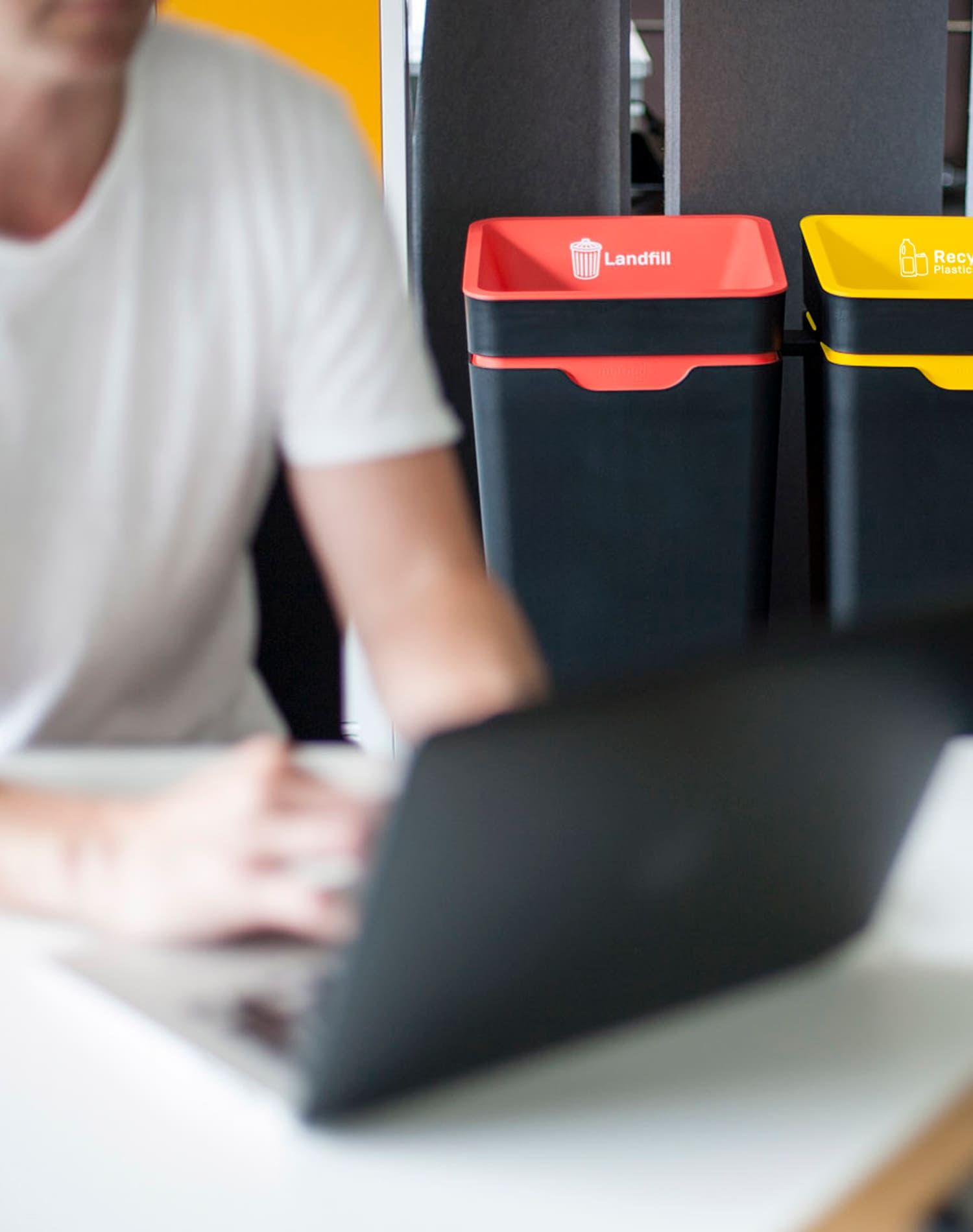
The bottom tier, and the one to avoid wherever possible. When every other option has been exhausted, disposal is what remains: landfill, incineration, or waste escaping into the natural environment. If you're working toward zero waste, keeping disposal below 10% of your total waste is a good first goal, and it's the benchmark zero-waste certification programmes commonly use.
Putting the waste hierarchy into practice
Recycling is often people's first introduction to reducing waste, but the waste hierarchy shows how many steps come before it. Start at the top of the pyramid and work down: refuse what you don't need, reuse and repurpose what you have, recycle what's left, and treat disposal as the last resort. That order, applied consistently by individuals and organisations, is where the biggest gains are.
Common questions
What are the five tiers of the waste hierarchy?
Refuse and reduce, reuse, repurpose, recycle, and dispose, ranked from most to least preferable. Some versions add or merge tiers, but the order of ideas stays the same.
Why is recycling so low on the waste hierarchy?
Because it's energy-intensive and lossy. Materials must be collected, sorted, broken down and remade, and plastic and paper degrade each time, so preventing waste is always better.
Is composting part of the waste hierarchy?
Yes. Composting food and garden waste is generally grouped with recycling, because it reprocesses a material into something new rather than preventing the waste in the first place.
Explore More Stories
Discover more insights and stories from our journal