Recycled Materials in Plastic Products
The Challenges of Sustainable Business Practices
Organizations increasingly face pressure to adopt sustainable business practices. However, the growing demand for recycled plastic products leads to confusion, technical jargon, and unfortunately, misleading claims. I often see products with vague statements about using post-consumer recycled content, which are not feasible given the product's manufacturing process. It is frustrating when discussions about crucial topics like recycled content lack fairness and balance, especially knowing many hardworking organizations strive for long-term solutions.
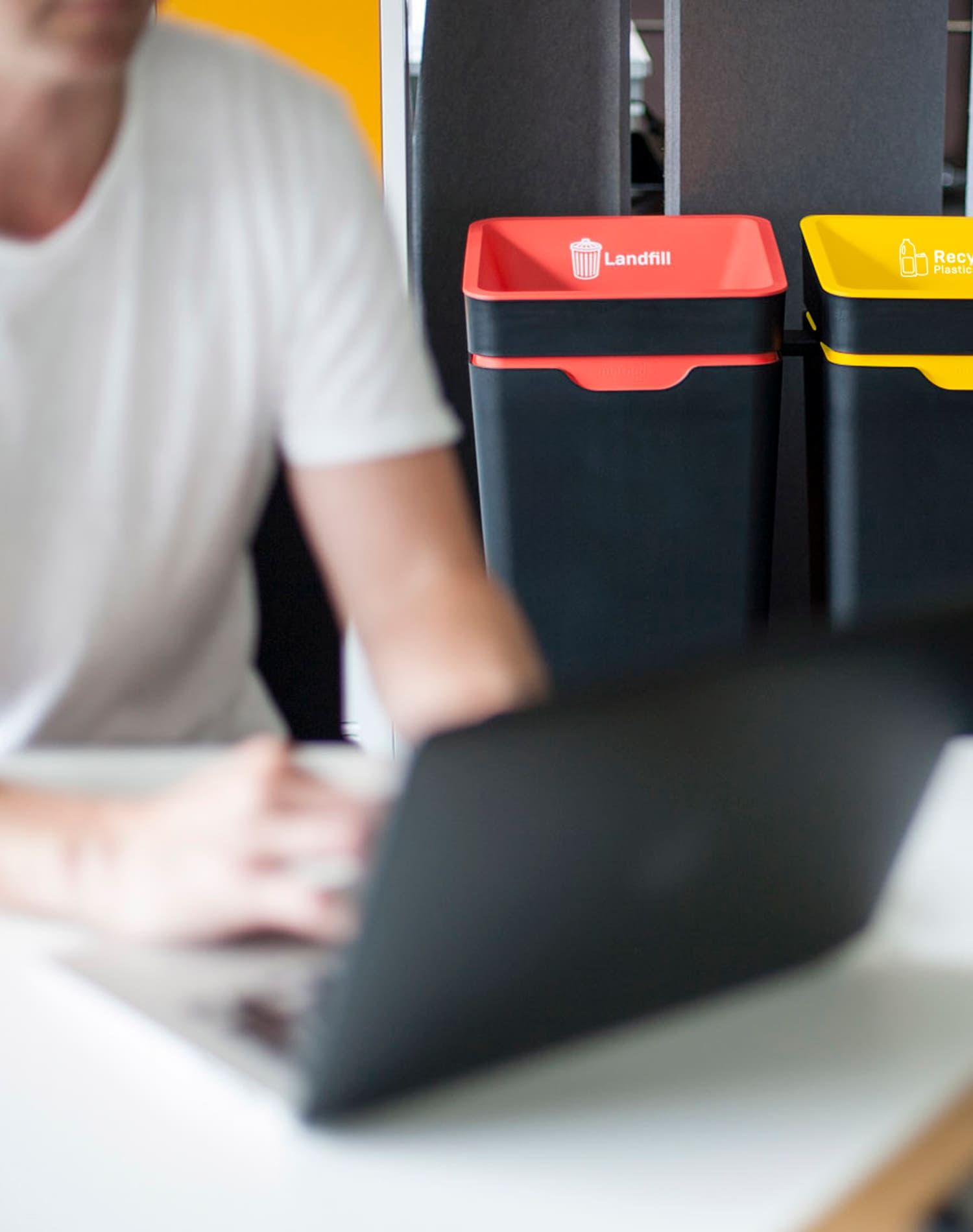
Recycled materials are inherently variable. Contamination, recycling, and production processes influence how these materials can be used. This often results in downcycling—using materials in lower-quality products after recycling. For products like Method bins (made from long, thin plastic via injection molding), introducing recycled materials is particularly challenging.
It was vital to ensure that incorporating recycled content did not compromise the strength, durability, or lifespan of the bins. We also needed to ensure the bins remained fully recyclable at the end of their life, enabling the materials to be reused at the same level; otherwise, the process is inefficient. In a previous post, I discussed this after attending the first NZ Circular Economy Summit—it's about products that not only minimize harm but actively contribute positively. This considers the entire product lifecycle, not just adding recycled content for superficial branding purposes. Like our product design, these decisions require a thoughtful and balanced approach.
We have many more exciting plans for this endeavor. Our in-house research and development team and sustainability team are continuously working on this, alongside building strong relationships with manufacturers and experts who support our mission. Reaching 50% recycled content is a major milestone, but it's just the beginning of our journey.
Steven Korner graduated from the University of Canterbury with first-class honors in Mechanical Engineering. After leading the neonatal care product design team at Fisher and Paykel and inspired by Total Bins, he and his wife India created Method. Steven employed an analytical approach, spending weeks researching, prototyping, and gathering customer insights to determine what could truly impact the waste market. As co-founder and CEO, he has spearheaded Method's innovative product research, development, and design, creating Method's award-winning 60L Office Recycling Bin.
Explore More Stories
Discover more insights and stories from our journal