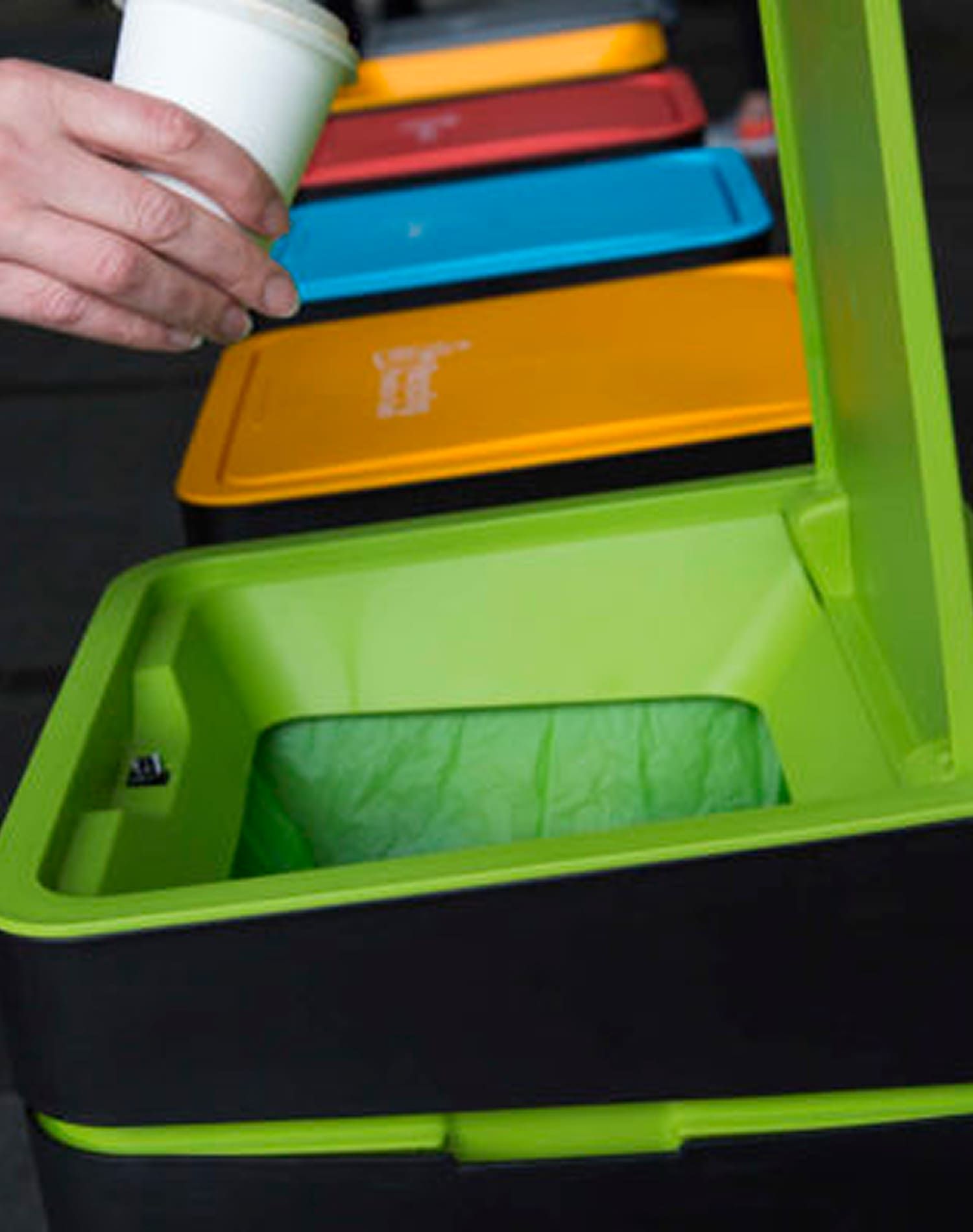
Creating a Green Team
Getting Your Green Team Started
Starting a new group within your company requires dedication and organisation. Whether you're an executive who knows nothing about sustainability or a passionate employee wanting to build a green culture, enacting these steps can ensure your green team succeeds. Just like any other group within a company, it's important to set aside structured time to discuss and plan initiatives and determine metrics in which to measure progress. Each meeting should have a clear agenda, with a problem to discuss and plan around. Without structure, a green team can easily devolve into inaction. Meetings do not need to be long or arduous – commit to a simple 20–30 minute meeting once a month and keep communication open at other times via email, Teams, Slack, or whatever other platforms your company uses.
Setting Goals and Achieving Them
By setting larger goals, the team and the wider organisation can have a roadmap to becoming a more sustainable company. This should be the ultimate vision for what you want your company's sustainability policy to look like. Then, once the overall goals are set, you can break them down into smaller, easy-to-achieve steps. This can include things like setting up a recycling process, reducing waste in the workplace, or organising community volunteer events with your employees. On a green team, the company hierarchy should play little role. Instead, encourage ideas and solutions from every level within the organisation, and allow those with the ideas to spearhead their campaigns (if they want to). This will ensure people feel open to suggesting and trying new ideas, which can help ensure their lasting success.
Communication and Feedback
While it's important to keep the group itself small, that doesn't mean that the team should function in the dark. It's important to share the overall vision of the team with the whole company and have others interact with the initiatives. The purpose of a green team is also to educate the company, which is where this step is crucial. Employees won't necessarily engage with programs if they don't have clear reasons why or understand how to do so properly. Feedback from the team, and the organisation as a whole, is crucial to the green team's success. This is the step where you can understand what is working, what may need to be tweaked, and what has missed the mark altogether. Once you've gathered your feedback, you can adjust the goals and how you plan to reach them. Having measurable results is important for succeeding, and if someone isn't measuring up, it may be time to rethink it.
Measuring Success and Sharing Wins
With the successful implementation of a company green team, you should be able to track and record sustainability wins for the company. These wins should be widely shared internally and celebrated, as success can help spur further changes. Creating a green team at your company allows you to set yourself up for success as a forward-thinking, sustainable company. By establishing a group of employees dedicated to these goals, your company will be a greener and more collaborative place to work.
Explore More Stories
Discover more insights and stories from our journal