8 Steps to a Successful Recycling System
Step 1: Recruit a Green Team
The first step to ensuring success is to recruit passionate employees to lead the way on recycling. You can do this by setting up a green team, which will help make sure that nothing falls through the cracks and that everything is organized and orderly. The green team will be charged with seeing this system through from start to finish and acting as a knowledge base for the rest of the organization. By knowing exactly who to go to with questions, your employees will be better suited for the task at hand.
Step 2: Reduce, Reuse, Recycle
Before you start recycling, it's important to remember the old adage "Reduce, Reuse, Recycle." Recycling what you already have is great, but the real challenge is reducing waste in your workplace altogether. Are there ways your office could reduce the need for materials? This could include printing less, sharing office supplies, and switching paper towels in the kitchen with washable tea towels. We found the kitchen to be the biggest area of waste and worked to go waste-free with office lunches. Now, we have reusable containers for staff to take for lunch, organize catering with companies willing to use crockery instead of single-use, and give all new employees a reusable coffee cup as part of their onboarding.
Step 3: Conduct a Waste Audit
What waste and recycling streams do you collect in your workplace? Is there a lot of compostable packaging? Soft plastics? Glass? Your best bet is to complete a DIY waste audit and assess exactly where your organization is at. Once you've completed that, you'll know what you're producing and what streams you need. Generally, it's good to have bins for landfill, organics, and recycling (either co-mingled or separate). From there you can determine if your office has other unique needs (batteries, soft plastics, etc.) that you can also implement.
Step 4: Engage Your Employees
Human-centered design is the best route to success. Talk to as many employees as possible to see how the recycling and waste system needs to work for them. Engaging your employees can often be the hardest hurdle to surpass, but by understanding the level of knowledge and commitment your employees have, you can create the best possible outcomes.
Step 5: Choose a Waste Provider
After you've determined what you need, it's important to pick out a waste provider. Depending on your business and the building, this may not completely be your decision, but choosing a waste provider that balances your priority can help make your recycling more successful. Once you've made your decision, work with your provider to understand what they do and don't accept, and learn exactly where your collections go.
Step 6: Strategically Place Your Bins
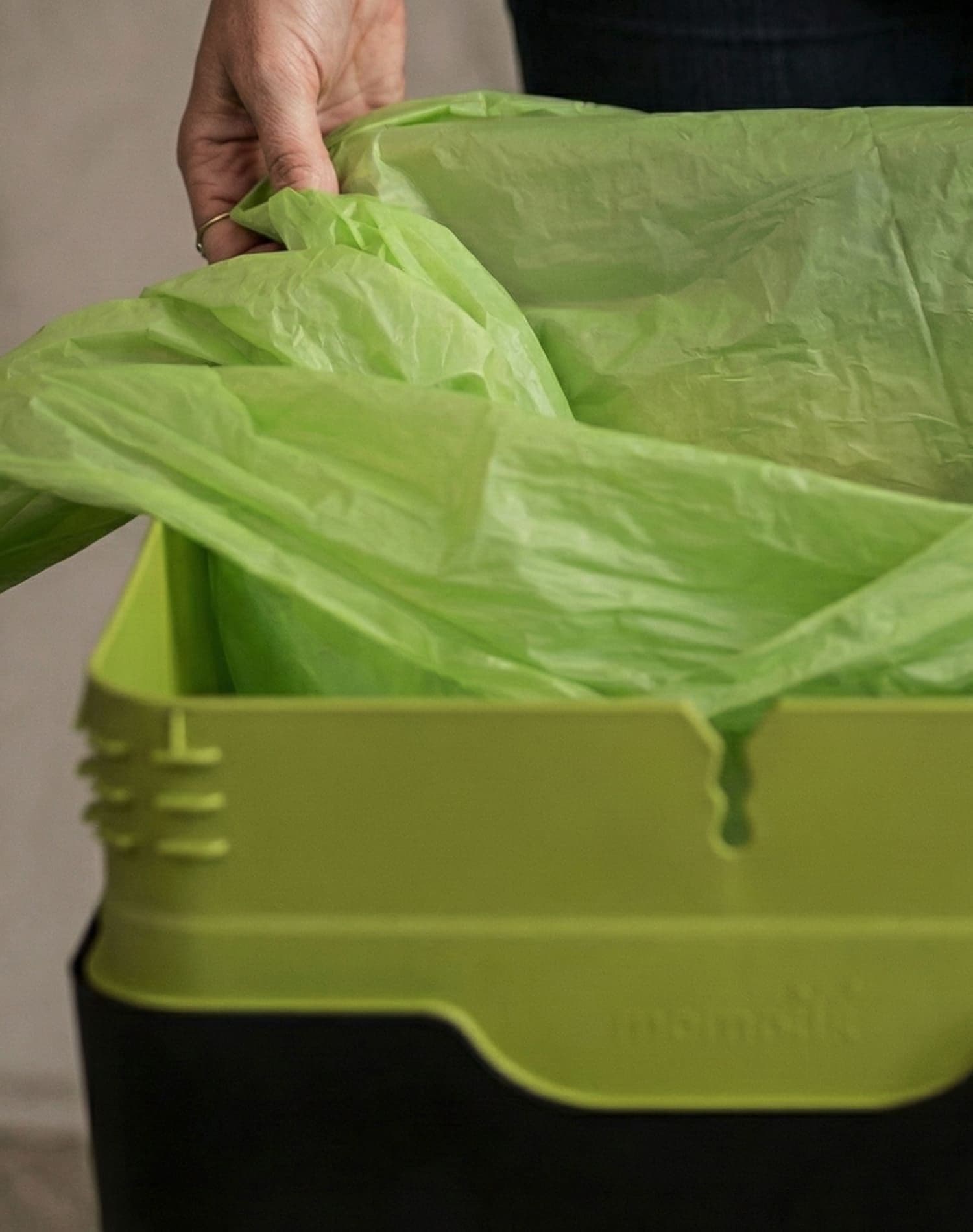
After you've determined what your waste provider can collect, determine the best way to put the bins in your office. You will need your in-office bins, as well as skip bins that are collected by your waste provider. In the office space, we've found that open-plan recycling works well as it increases visibility and accountability, but it's important to find the right solution for your office space. You will also need to work with your cleaning crew to determine how frequently they are emptied and where the skip bins are located to ensure that the waste is properly sorted for the waste collectors. The cleaners are an integral part of the recycling process, so it's important to keep them informed and involved in this process.
Step 7: Educate Your Employees
Education is the greatest tool for success when it comes to recycling. After you've gotten your set-up in place, establish clear communication across the business. We've also found great success using clear recycling bin signs that attach easily to your stations, so employees never have to guess where their waste goes. This helps reduce contamination and means that employees are more likely to participate. Be open and transparent about the process and any new changes as they're implemented, and seek regular feedback to understand what's working and what's not. You can then make adjustments as needed to get the results you want. Celebrate wins as they happen and recognize change is an ongoing process.
Step 8: Embrace the Ongoing Process
Setting up any new system in the workplace can be a long and arduous process. But by using these eight steps, we hope you find the process easier to tackle and understand.
Explore More Stories
Discover more insights and stories from our journal