Recycling 101: The Problem with Wish Cycling
As more people have become aware of the environmental cost of waste, more of us are working to keep our own rubbish out of landfill. That instinct is a good one. But misconceptions about what can and cannot be recycled lead plenty of well-meaning people into wish-cycling, and wish-cycling quietly damages the recycling system it is trying to help.
What is wish-cycling?
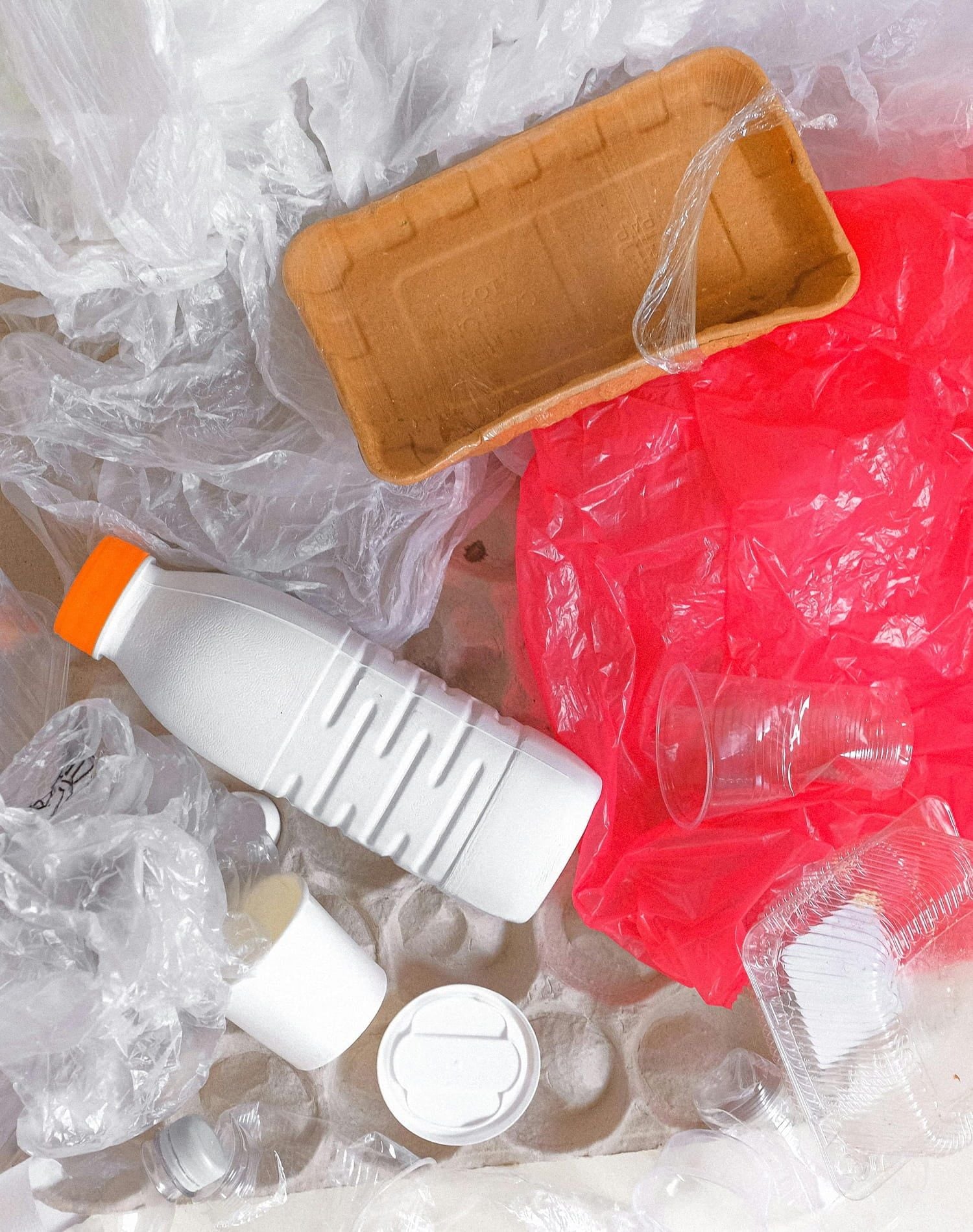
Wish-cycling, sometimes called aspirational recycling, is the practice of putting items in the recycling that cannot actually be recycled, in the hope that they will be. It is most common with plastics, because plastic recycling is genuinely complicated, but it happens with heat-proof glass, aluminium foil, coffee cups and plenty more. People wish-cycle because they believe an item is recyclable, or feel it should be. The typical wish-cycler is not careless. They are usually the most well-intentioned recycler on the street, just missing the finer details of how recycling works.
Why is wish-cycling a problem?
Wish-cycling is not a harmless mistake. Because of how recycling is collected and sorted, one wrong item can undo the good work of many right ones. Three things go wrong:
- It creates more waste. Every time a batch of recycling is contaminated with non-recyclables, the whole batch risks being sent to landfill. The wish-cycled container did not get recycled, and it dragged genuinely recyclable material down with it.
- It costs time and money. Wish-cycled items that slip through can jam or damage sorting machinery; soft plastics are notorious for tangling in the equipment. The resulting delays and repair costs then get used as evidence that recycling is not worth doing, which is not true.
- It makes recycling look more capable than it is. Wish-cycling feeds the mindset that everything is recyclable, so reducing and reusing matter less. They do not. The OECD estimates that only 9 per cent of the world's plastic waste is actually recycled.
As big recycling advocates, we love preaching conscious waste habits. But we are careful not to oversell recycling, because the current global system, especially for plastics, is far from perfect. Recycling sits below reducing and reusing on the waste hierarchy for good reason.
How to avoid wish-cycling
Recycling is very location-dependent, so the single best habit is to check your council's or waste provider's rules rather than guessing. Beyond that:
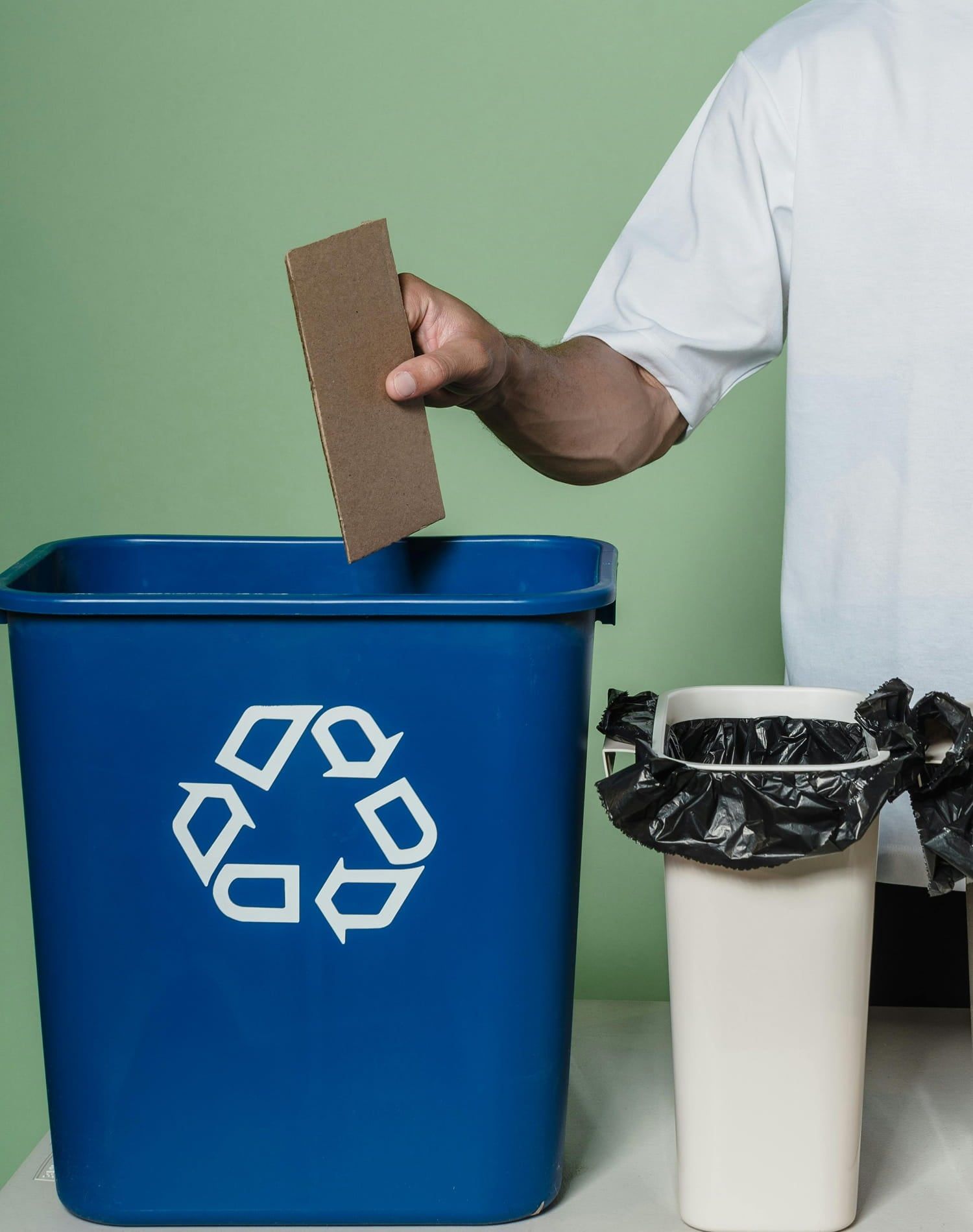
- If in doubt, leave it out. A recyclable item in the landfill bin is a small loss; a contaminant in the recycling can landfill a whole truckload.
- Check the number on plastics, not just the arrows. The symbol tells you what a plastic is made from, not whether it is recyclable.
- Keep recyclables clean, empty and dry. Food residue is a contaminant too.
- Take the genuinely tricky items, like soft plastics and batteries, to the dedicated schemes that exist for them rather than the kerbside bin.
Wish-cycling comes from a good place, and we understand the frustration of binning something that feels like it should be recyclable. Better packaging design and better facilities will shrink that pile over time. Until then, the kindest thing you can do for your recycling is to keep the wrong things out of it.
Common questions
What is wish-cycling?
Wish-cycling is putting items in the recycling bin that cannot be recycled, in the hope they will be. It is also called aspirational recycling.
Why is wish-cycling bad for recycling?
Non-recyclable items contaminate collections, which can send whole batches to landfill, and they can jam or damage sorting machinery. Contamination also raises the cost of recycling.
What should I do if I am not sure an item is recyclable?
Check your local council's guidance first. If you still are not sure, put it in the landfill bin: if in doubt, leave it out.
Explore More Stories
Discover more insights and stories from our journal