Recycling 101: How Clean Must Recycling Be?
Recycling is an important part of building a circular economy, but nobody wants to waste water or power scrubbing containers before they go in the bin. So how clean does recycling need to be? The short answer: gently rinse away food remnants and liquids, and leave out any paper or card with oil embedded in it.
How clean does recycling need to be?
When we are deciding how much effort an item deserves, four questions do the work:
- Can it be rinsed?
- Will the remaining contents contaminate other recyclables?
- Will it become a health and safety issue for the people who sort waste by hand?
- Will it attract pests?
If the answer to the last three is no, it is clean enough. Recycling needs to be free of food, not spotless.
Rules of thumb for rinsing recyclables
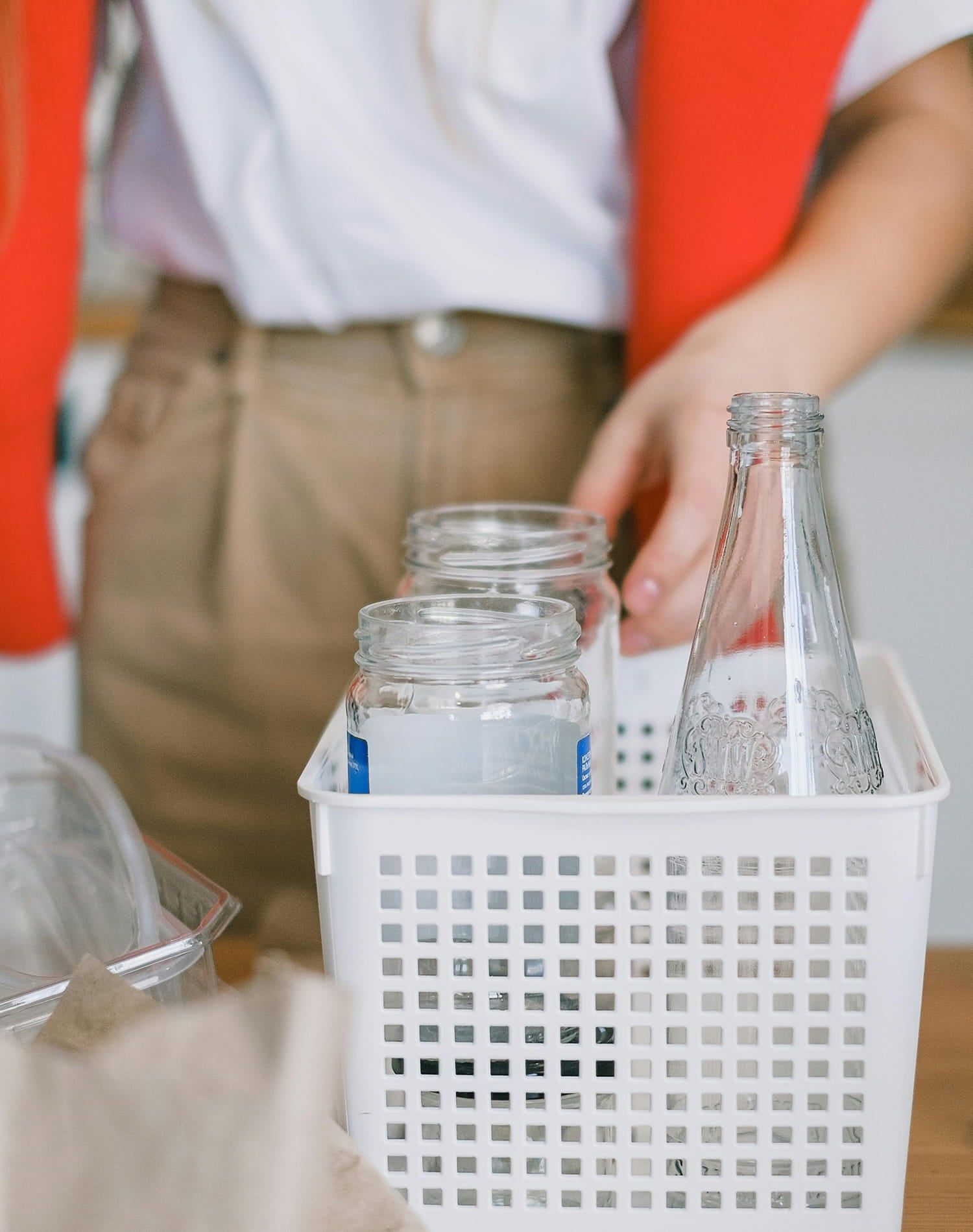
- Scrape out thick contents like peanut butter.
- A small amount of water is enough to rinse a milk bottle.
- Shake sauce bottles and jars with a little water, lid on, then take the lid off before the container goes in the bin. Lids aren't accepted in New Zealand kerbside collections.
- Around a teaspoon of water left in a bottle is fine.
- Thicker, oil-based liquids like mayonnaise should be removed completely.
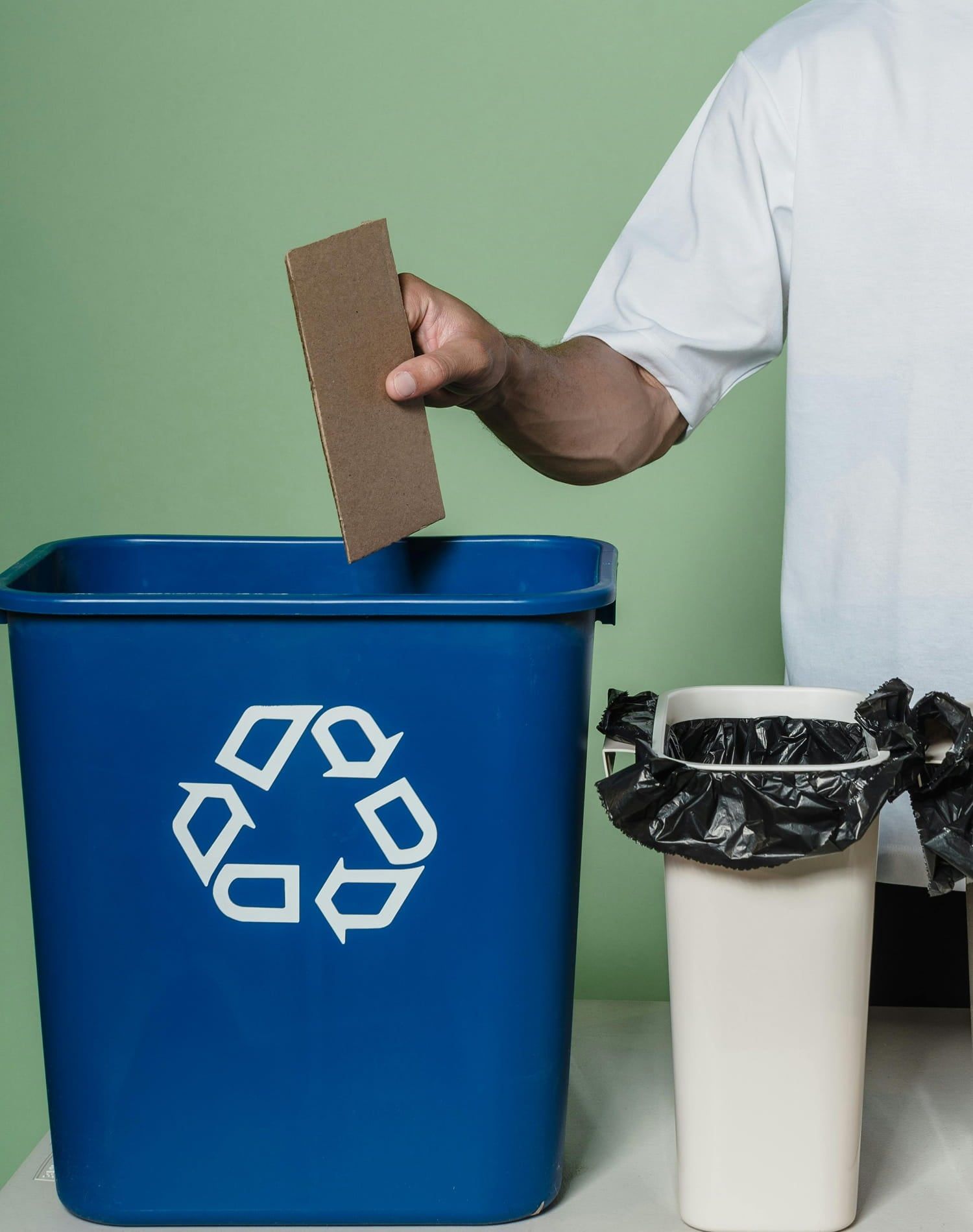
- Paper or cardboard soaked with grease or other liquids isn't recyclable.
- Rinse in leftover dishwater where possible to avoid wasting water.
Cleaning your recycling reduces contamination, but we don't want to burn through other resources doing it. That is why we recommend rinsing in water you have already used for the dishes, keeping it cold, and skipping the extra soap.
Why paper and cardboard are different
Paper and cardboard are fibrous, so they can't be rinsed. They absorb the oils and liquids they touch, and those contaminants can't be removed later in the recycling process. Grease, wax and embedded liquids damage machinery and drag down the quality of the recycled paper that comes out the other end.
So, the pizza box question. This one has changed in New Zealand: since kerbside collections were standardised in February 2024, empty pizza boxes are accepted, light grease included. Scrape out any food scraps, and if a section is heavily soiled with cheese or oil, tear it off and put it in the rubbish or compost while recycling the rest. Outside New Zealand, rules vary by council, so check locally. Heavily contaminated card is a problem everywhere.
What counts as contamination?
Hard materials like plastic, tin and glass are cleaned easily and effectively during processing. Paper and cardboard aren't, which is why oily substances need the most care. Make sure any remnants aren't liquid enough to spread onto other recyclables in the bin or truck.
Curry in a plastic container is a good example. Remove any loose sauce and it is fine to go in your recycling bin; you don't need to scrub it clean.
Think about the people who sort your recycling
Every material recovery facility (MRF), where recycling is sorted before processing, works a little differently. They are increasingly automated, but many still rely on people, from manual sorting through to running the systems. Nobody wants to meet a milk bottle that has been fermenting in the sun for days.
Many MRFs also report dangerous goods arriving in recycling, from nappies and batteries to needles. Keep them out; they put sorters at genuine risk.
Keep pests out
Food remnants and liquids attract pests at every stage, from your kerbside bin to the sorting floor. The rule holds whether the food is sitting in a hard container or soaked into cardboard: if it would interest a rat, deal with it before the bin.
Common questions
Do I need to remove labels from jars and bottles?
No. Paper labels come off during processing, so your effort is better spent removing food residue and taking off the lid.
Should I use hot water or detergent to clean recycling?
No. A quick cold rinse, ideally in leftover dishwater, is enough. The goal is food-free, not sterile.
Are greasy pizza boxes recyclable?
In New Zealand, yes. Remove food scraps, recycle the box, and bin any heavily soiled sections. Elsewhere, check your council's rules before assuming.
Explore More Stories
Discover more insights and stories from our journal