How Auckland Whale Safari Stays Sustainable
Global Recycling Day and Auckland Whale & Dolphin Safari
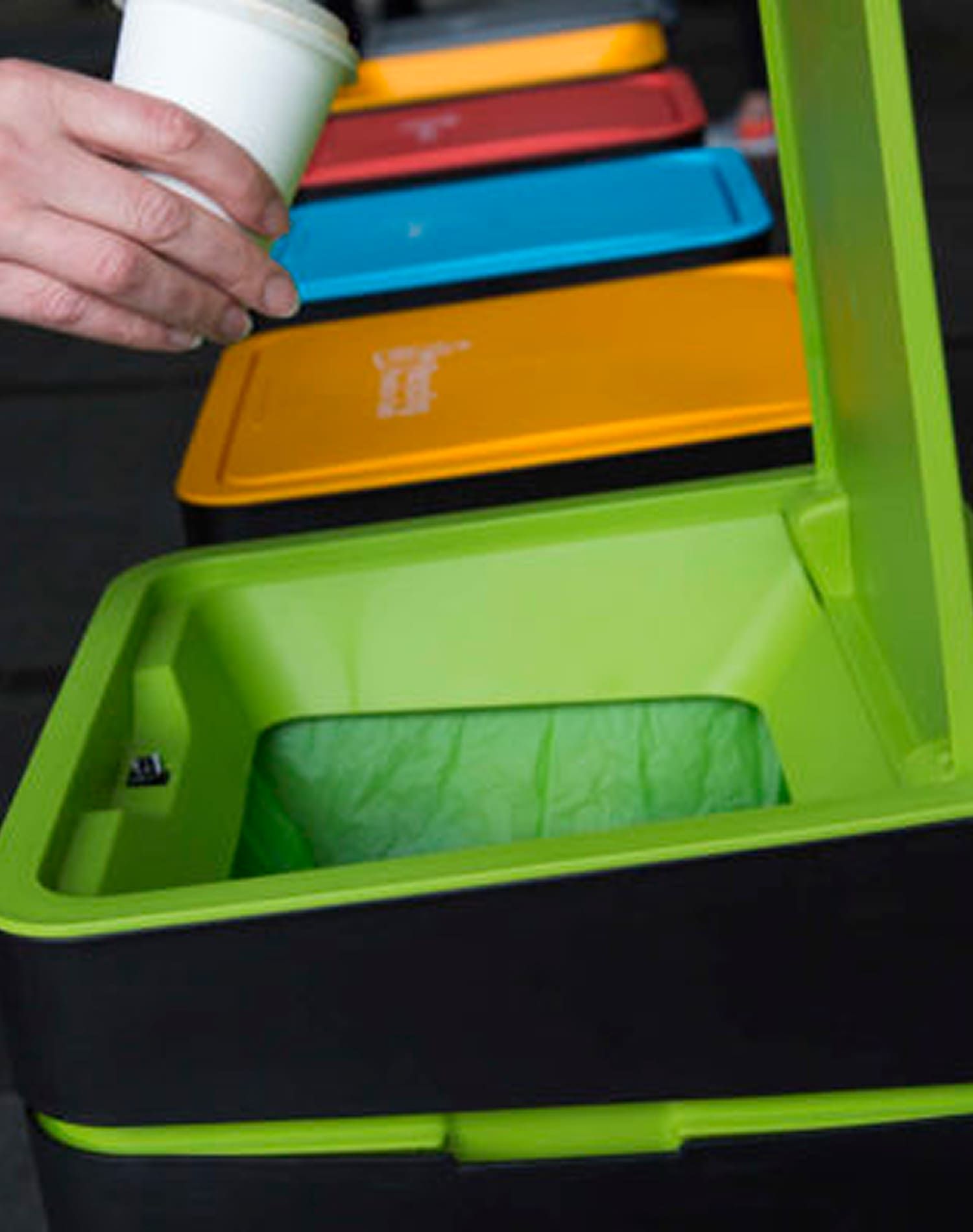
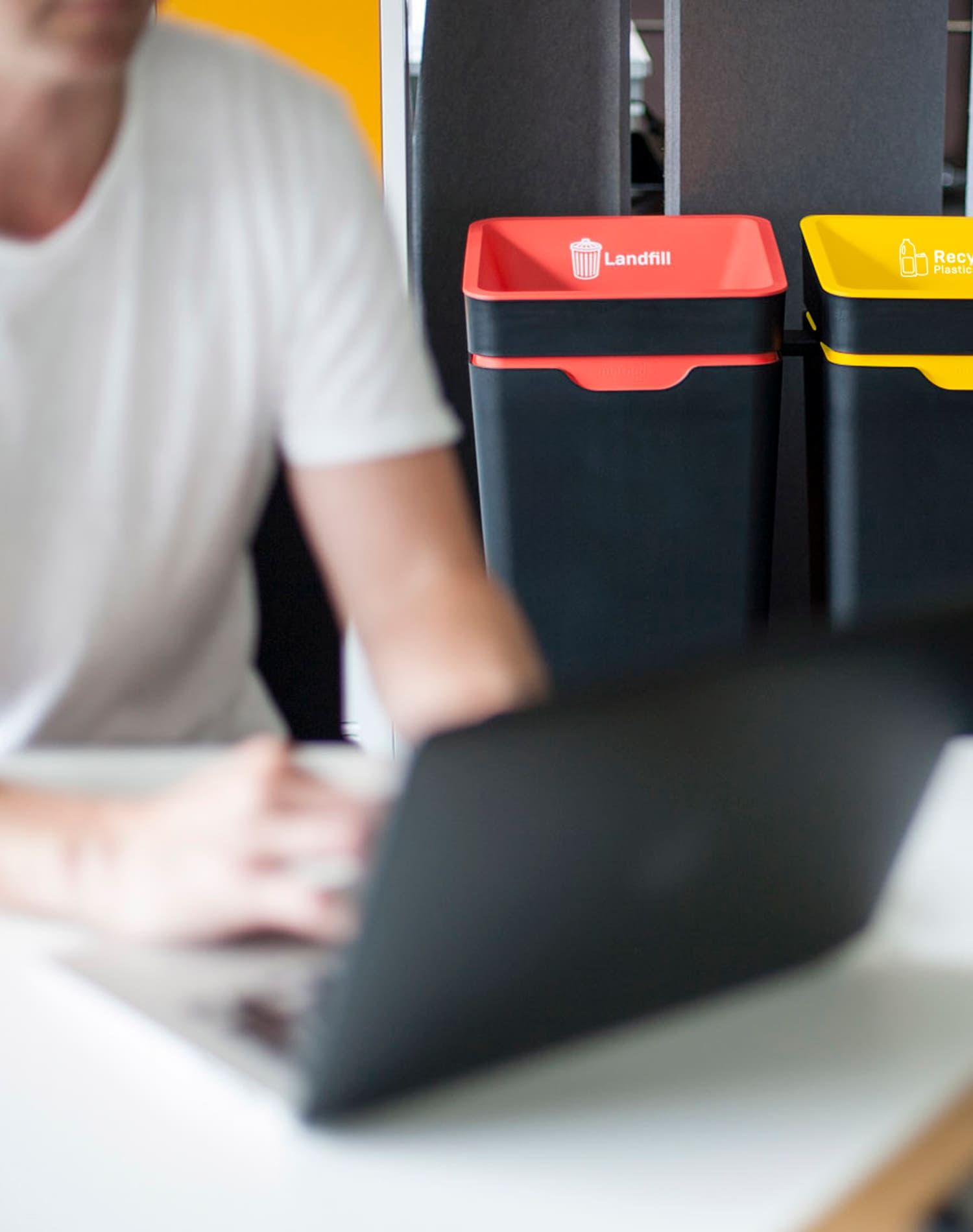
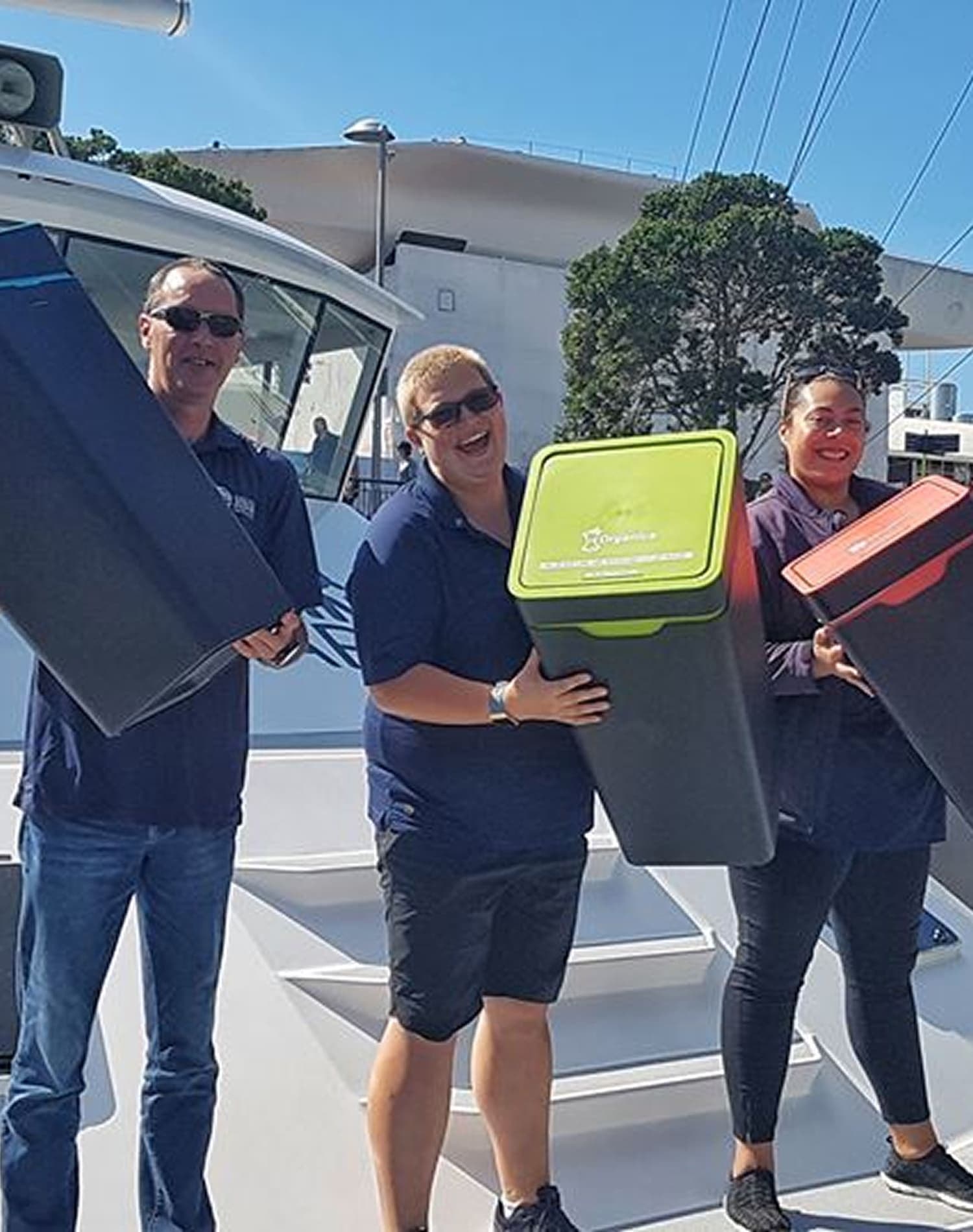
On Global Recycling Day, Method gave away one set of brand new bins to one lucky workplace. Overwhelmed by the number of responses, we also selected two other organizations at random to receive a set of refurbished bins.
Auckland Whale and Dolphin Safari (AWADS) welcomed them with open arms, seeing the value in the bins continuing to divert waste for as long as possible before they are recycled. Operating a business out on the coast of central Auckland, they have a difficult job maintaining the integrity and sustainability of the space they are using. AWADS measure and sort everything that goes into their Method bins, constantly monitoring how much they are diverting from landfill. They currently divert (on average) 84% of their waste, and this will likely increase with the re-introduction of the soft plastics scheme in Auckland. "For us, it is not enough to say that we have the bin options on board; we want to make sure they are being used and used increasingly more than the general waste (landfill) bin."
Working in the tourism industry, they are unable to control what food and packaging is brought on board the boat by their passengers. As well as language barriers that can often make communicating with passengers about how to recycle difficult, AWADS believe it is about managing what they can. They completed a procurement audit of onboard consumables to source more sustainable options, are eliminating as much single-use plastic packaging as possible, and have created multilingual cards advising passengers from other nationalities about waste separation.
Catherine Lea, Marine Research and Conservation Officer at Auckland Whale and Dolphin Safari, says sustainability is more than just separated waste; it is just a part of the AWADS puzzle. They have designed a Bronze Level EnviroMark Environmental Management System, monitoring and managing their environmental impact as well as health and safety regulations. Their sustainability initiatives include:
- The Million Metres Streams Project – mitigating their carbon emissions
- Contributing a portion of each ticket to the Hauraki Gulf Mammal Research Fund
- Acting as a 'platform of opportunity' for researchers to go on safaris to collect the data they require on all aspects of marine life to sustain the unique wildlife in the Hauraki Marine Park
The staff are happy to have more modern bins where they can change out the lids as demand changes. AWADS have already ordered a soft plastics lid now that the Soft Plastics Scheme is back up and running in Auckland. They continue to see conversations about sustainability grow. Around the time they received their new bins, they also started trawling for microplastics and sifting through the Seabin that is installed near their vessel in the Viaduct Harbour. Together, all of these new elements are allowing them to increase the effectiveness of their environmental education and messaging on safari and their social media.
Explore More Stories
Discover more insights and stories from our journal