Loading journal posts...
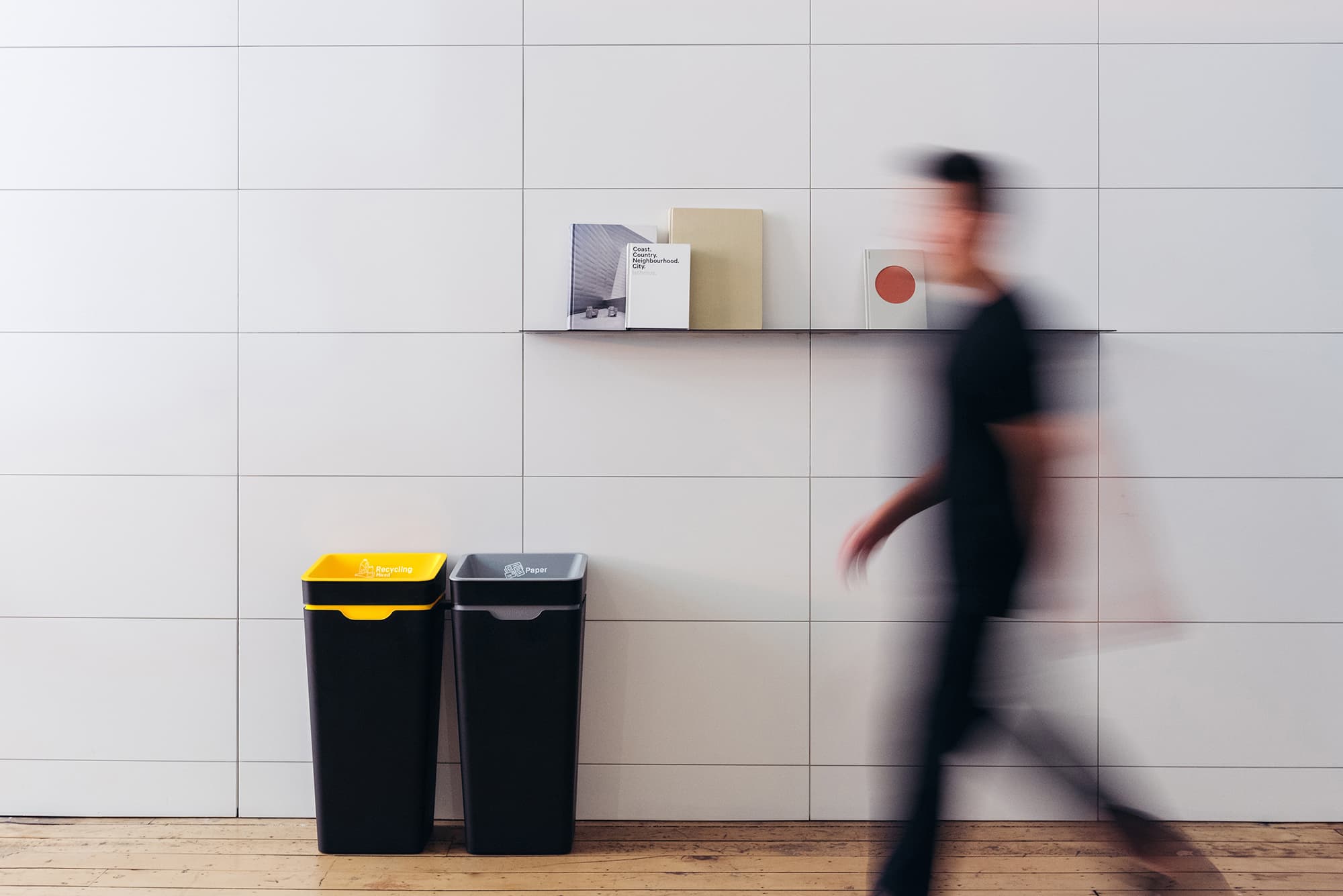
Explore our collection of articles on design, sustainability, and workplace solutions. Learn how thoughtful design and conscious choices are reshaping the way we think about waste.
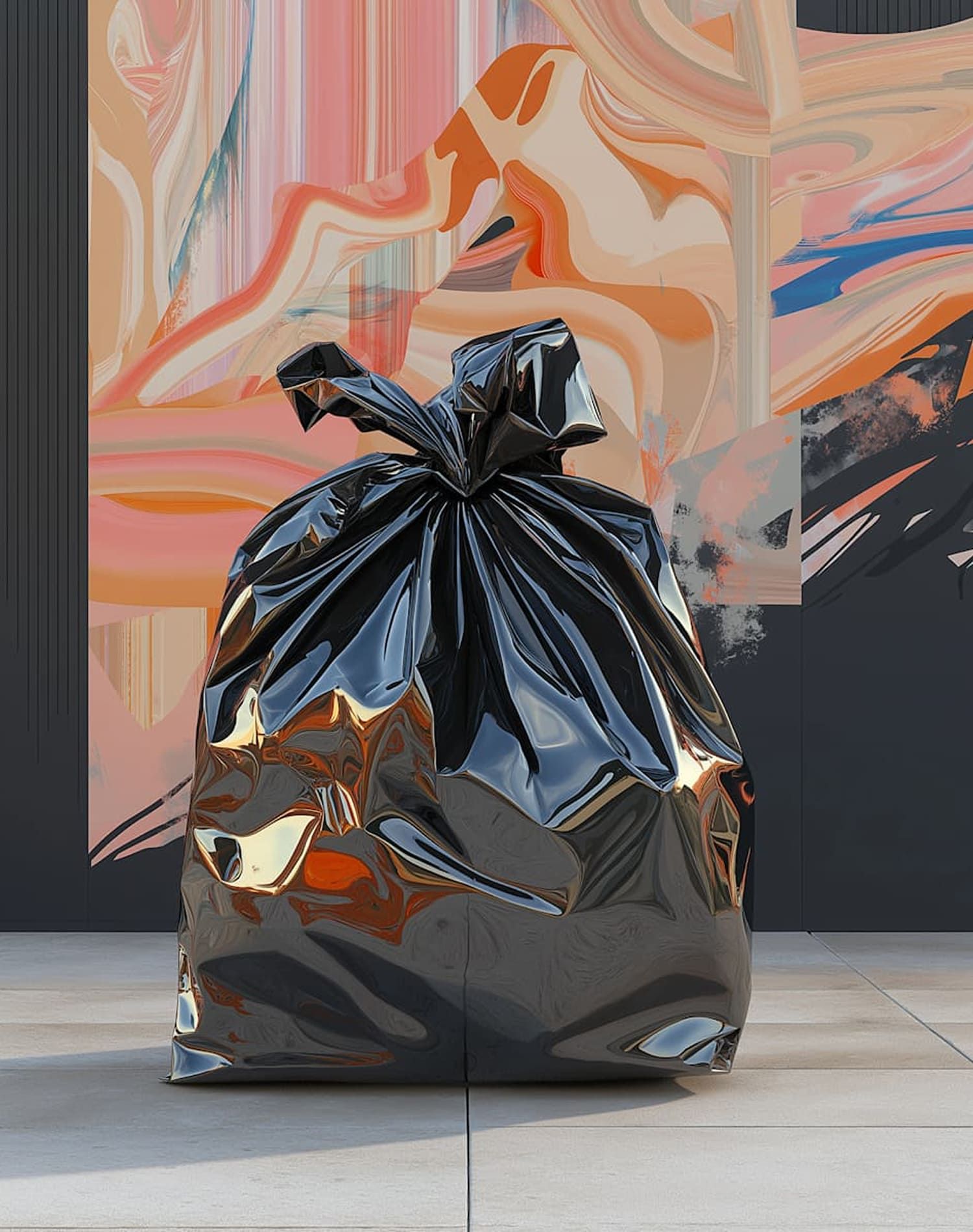
How the Australasian Recycling Label works, and what recyclable and conditionally recyclable really mean.
A 20L bin with the same practical design as the rest of the Method family, built for smaller spaces.
Why Method joined the Design Council to argue that good design can shift how workplaces handle waste.
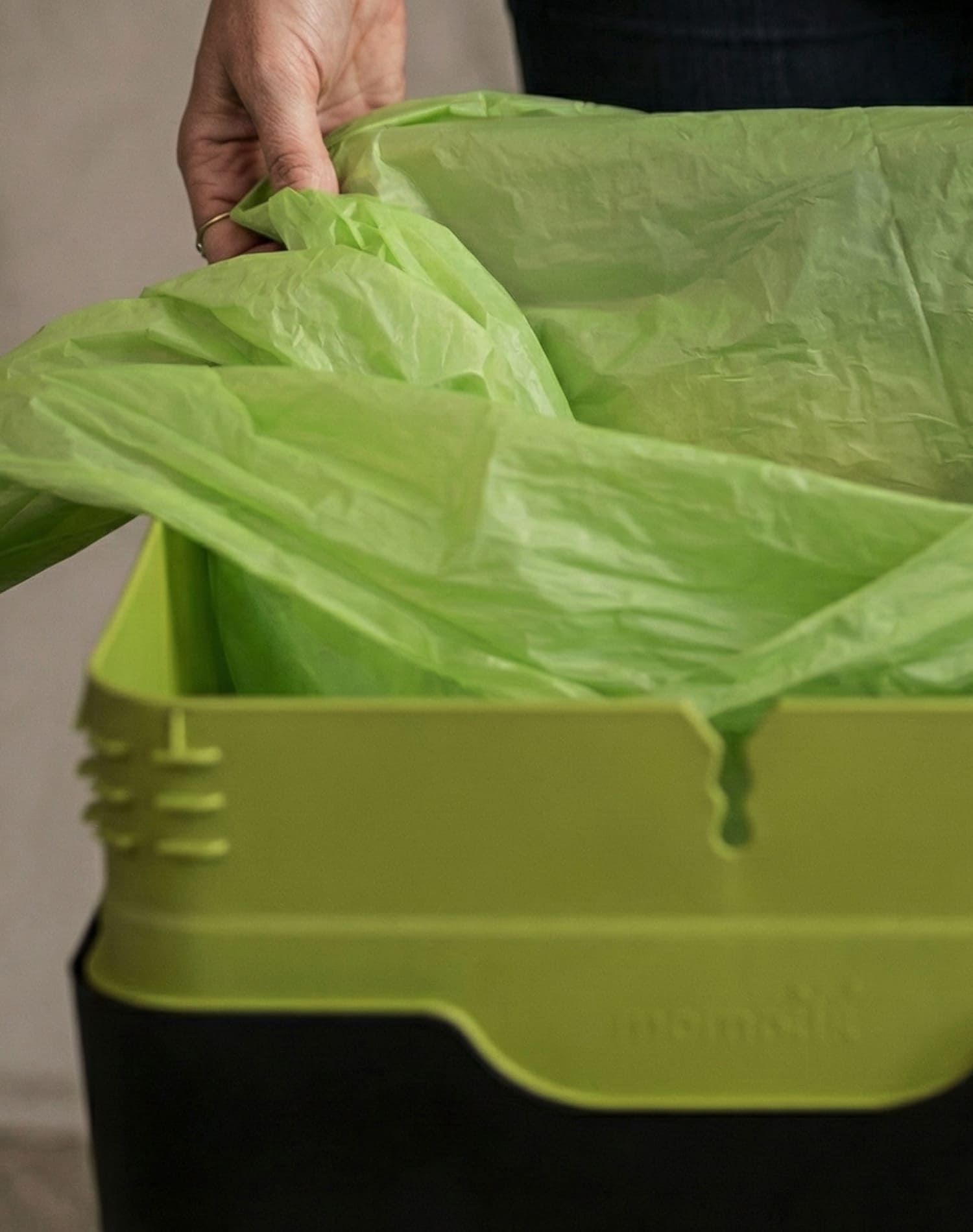
Recycling 101 gives your team the training to sort waste correctly, once the bins are already in place.
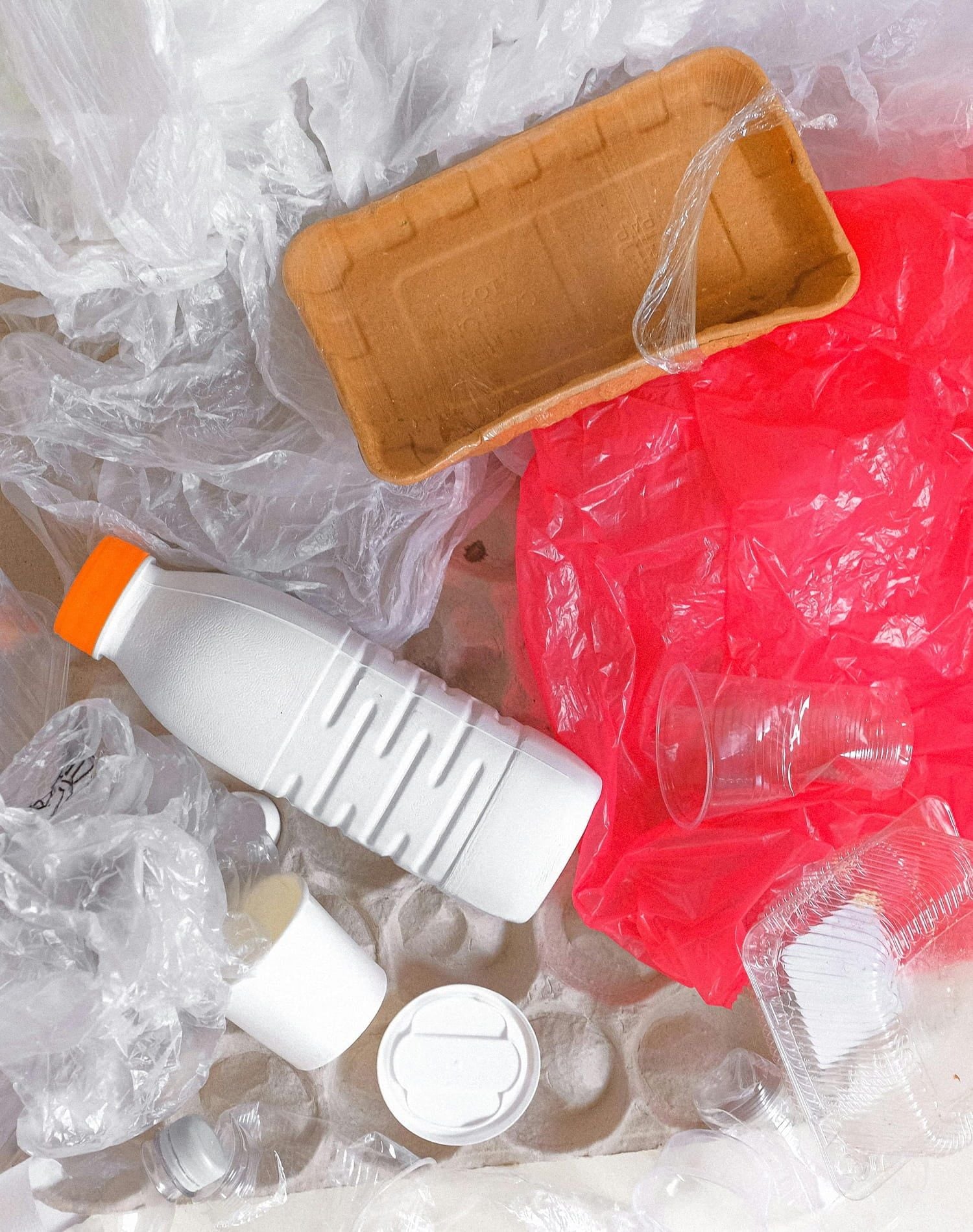
What a waste audit reveals about your workplace, how to run one, and when to bring in outside help.
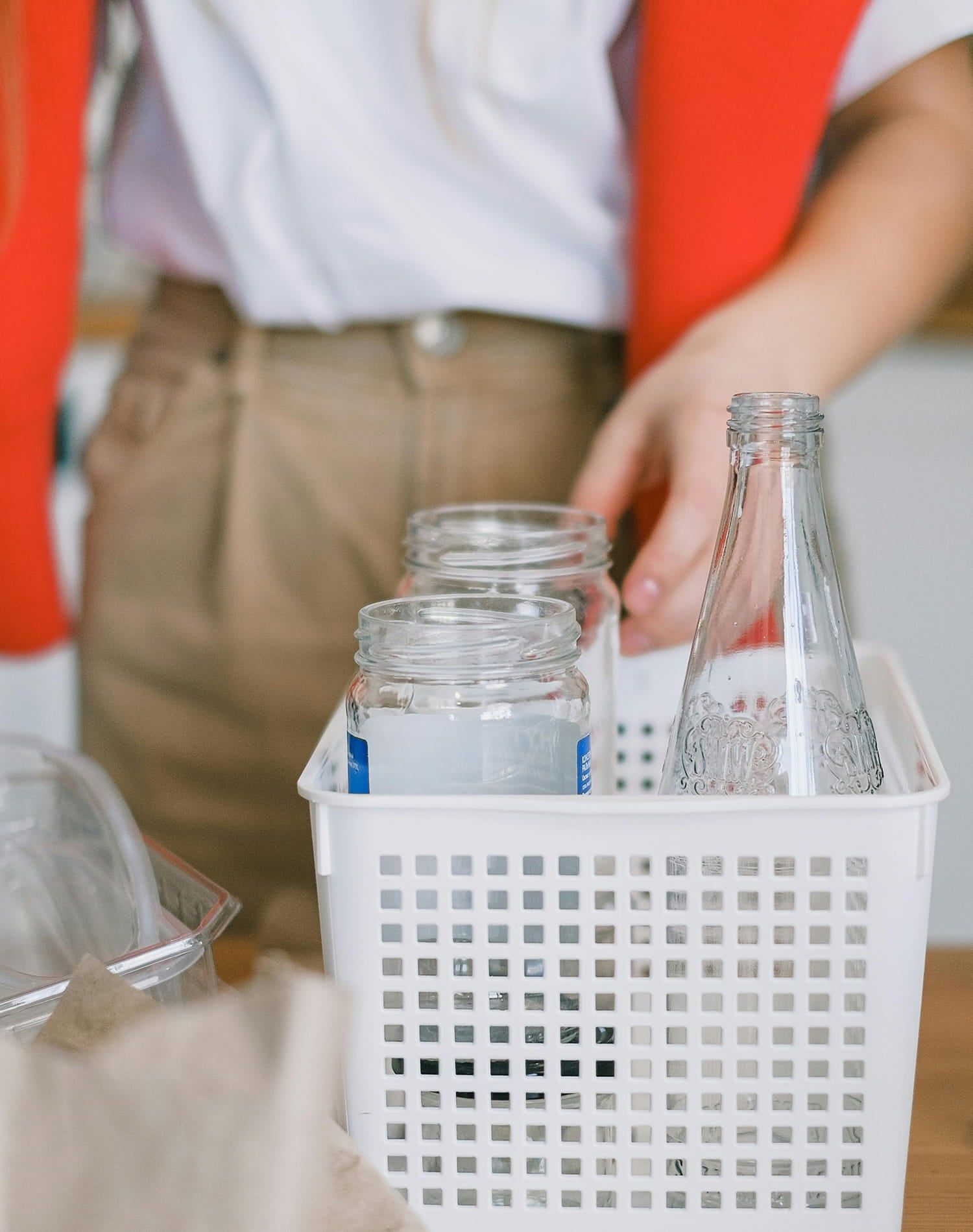
How the Method Twenty won a Good Design Award, and what the judges responded to in its design.
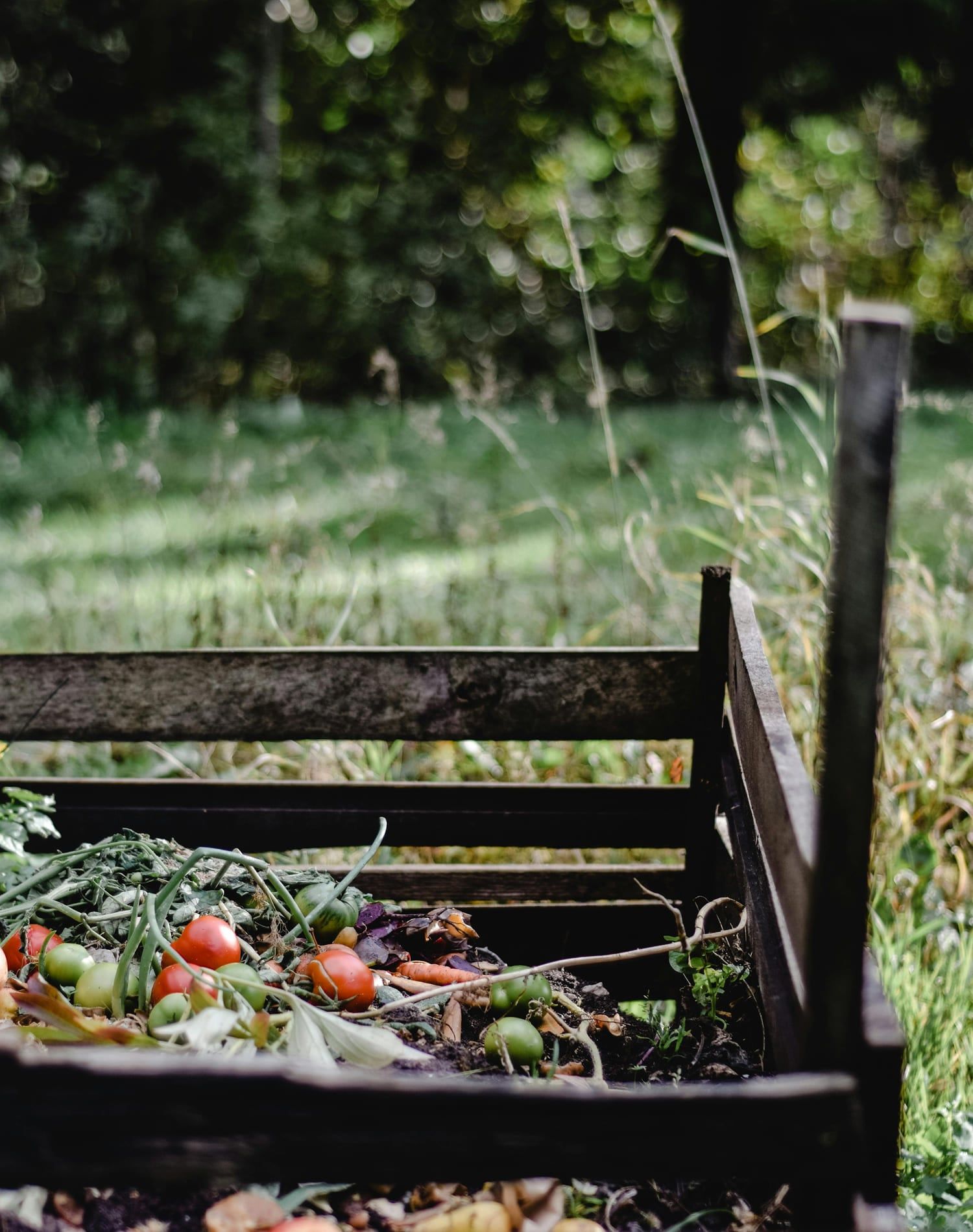
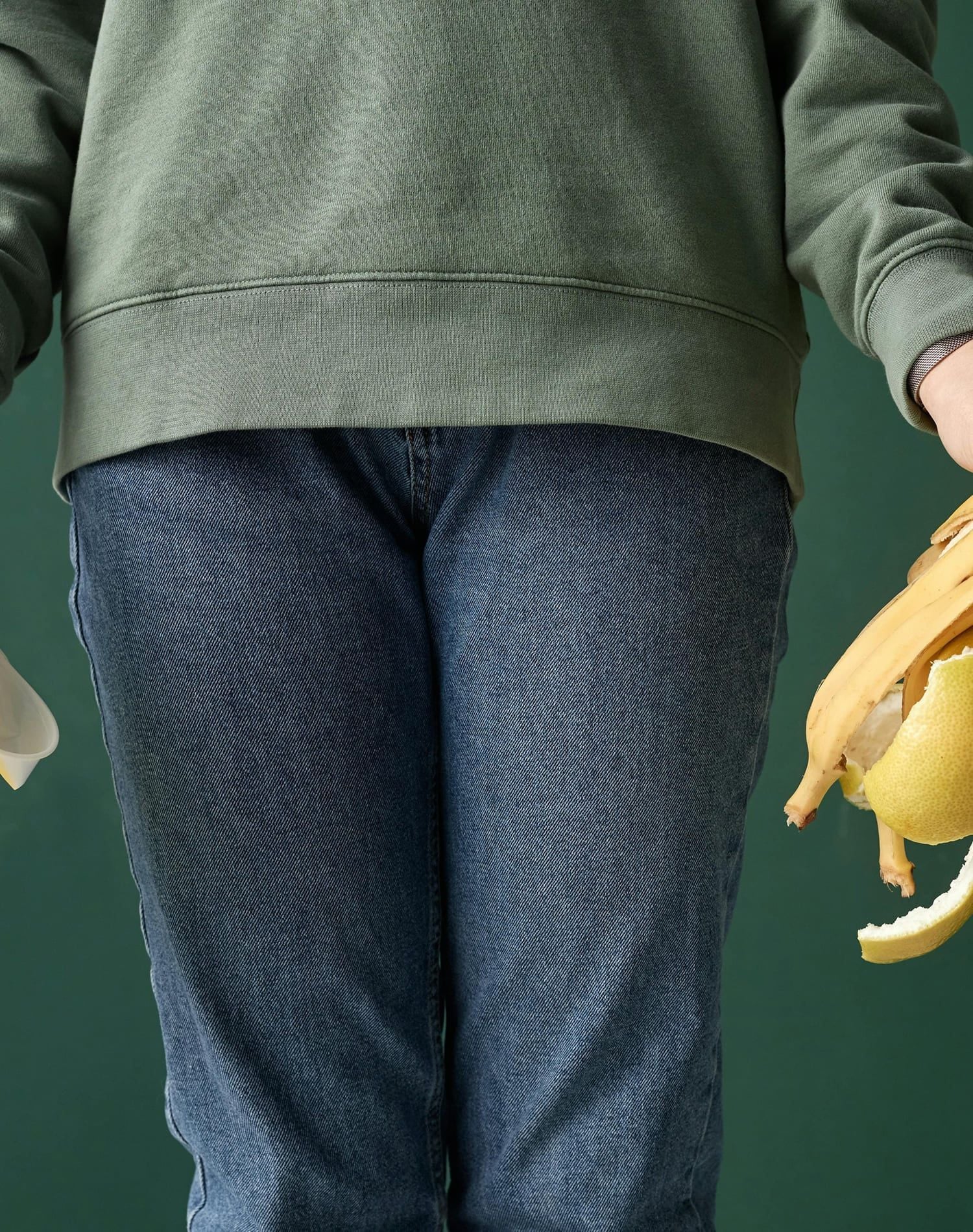
What to put in a home compost, how to set it up, and how to keep it healthy so scraps skip landfill.
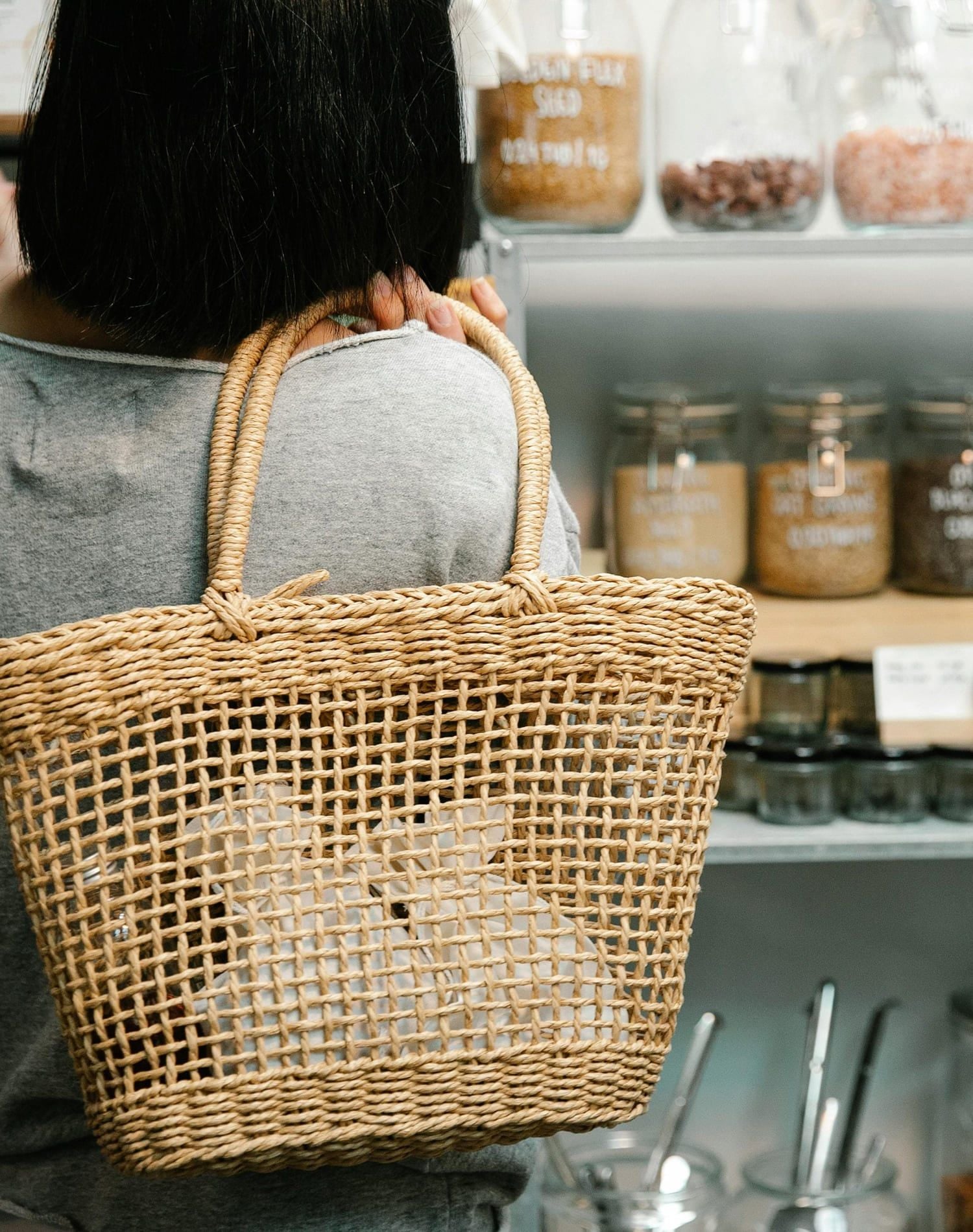
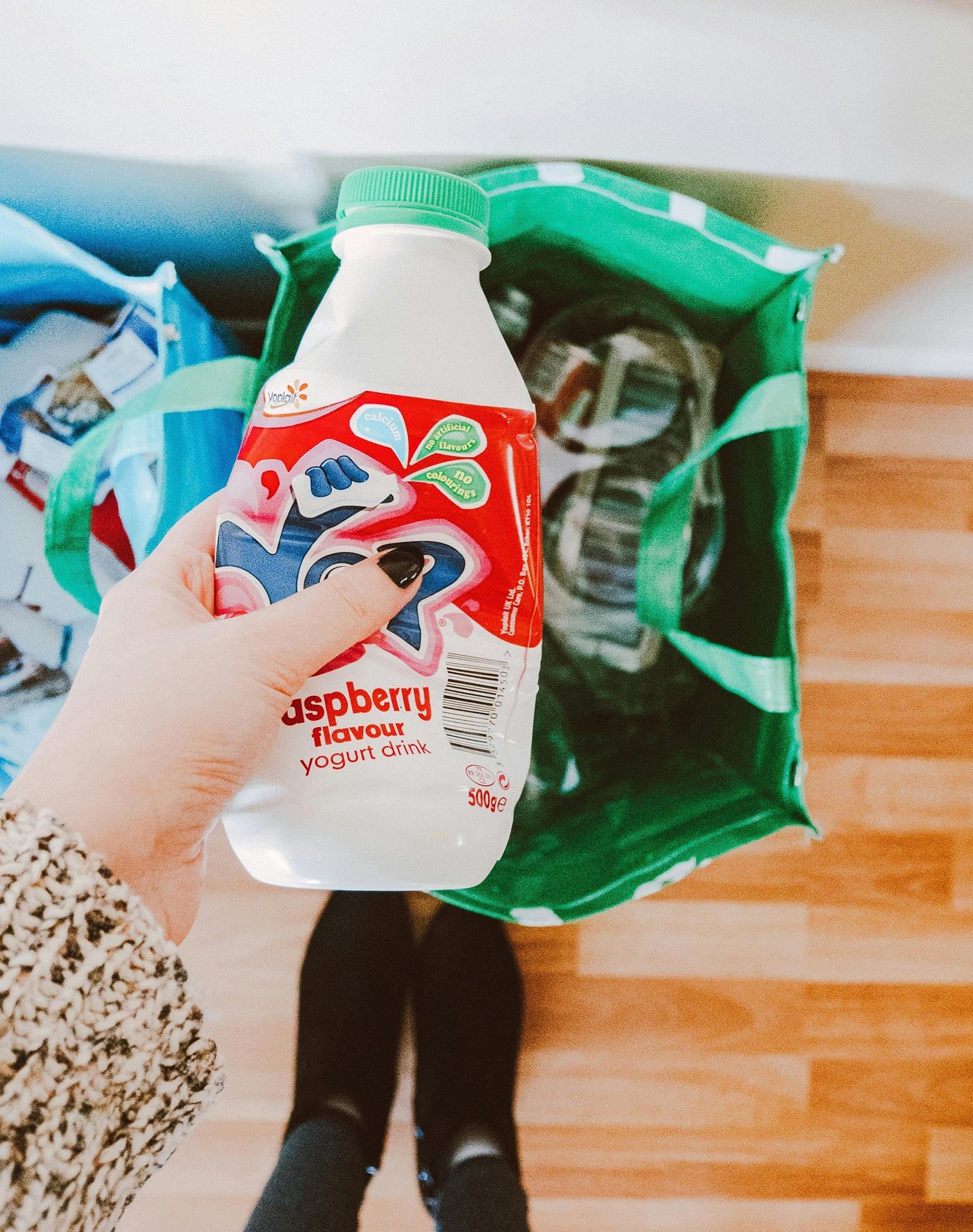
Simple ways to cut waste on the supermarket run, with no prep and no special equipment required.
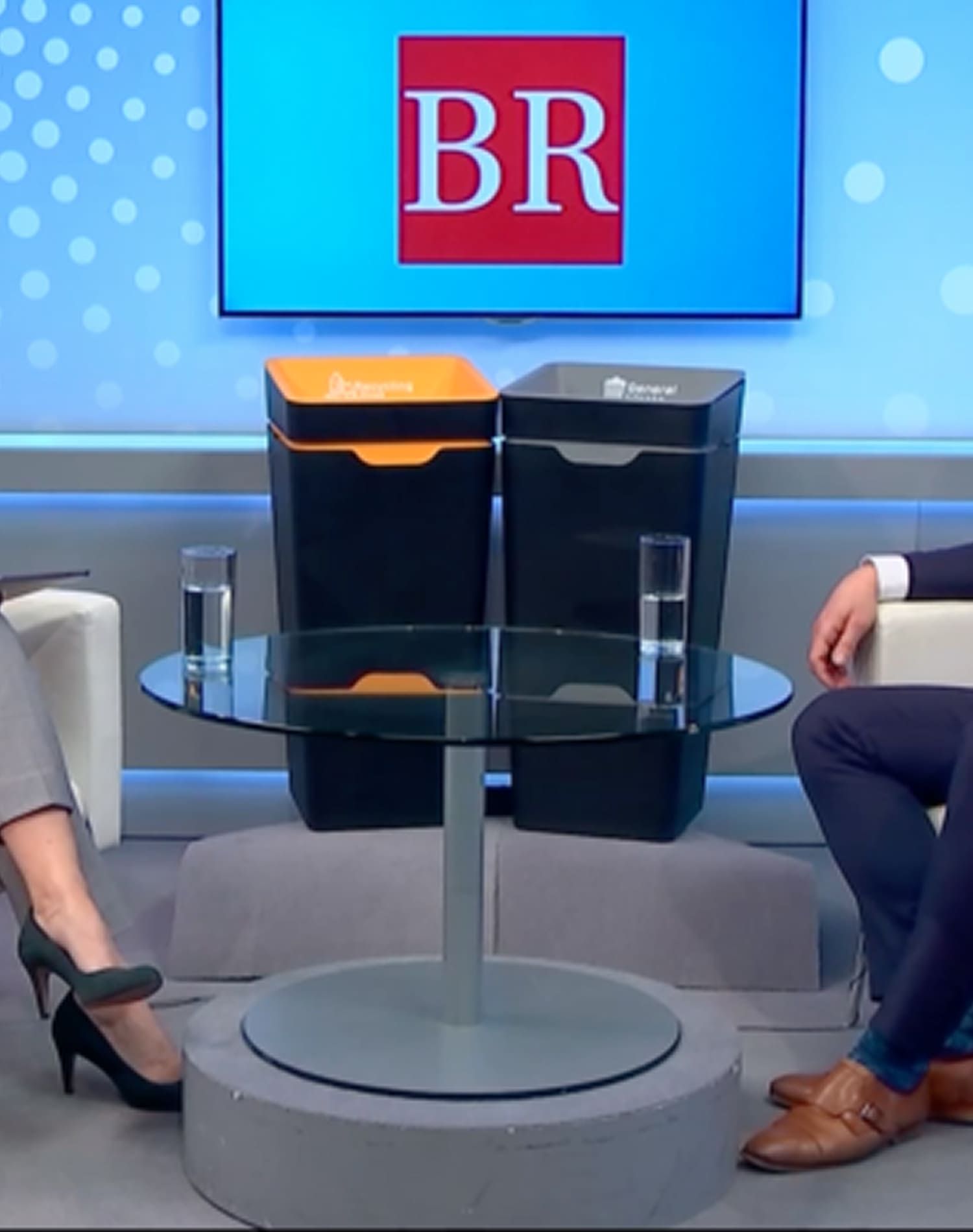
Method talks to the Business Reporter about how design helps facility managers recycle more at work.
Practical ways to get your team recycling at work, from clear signage to feedback that builds habits.
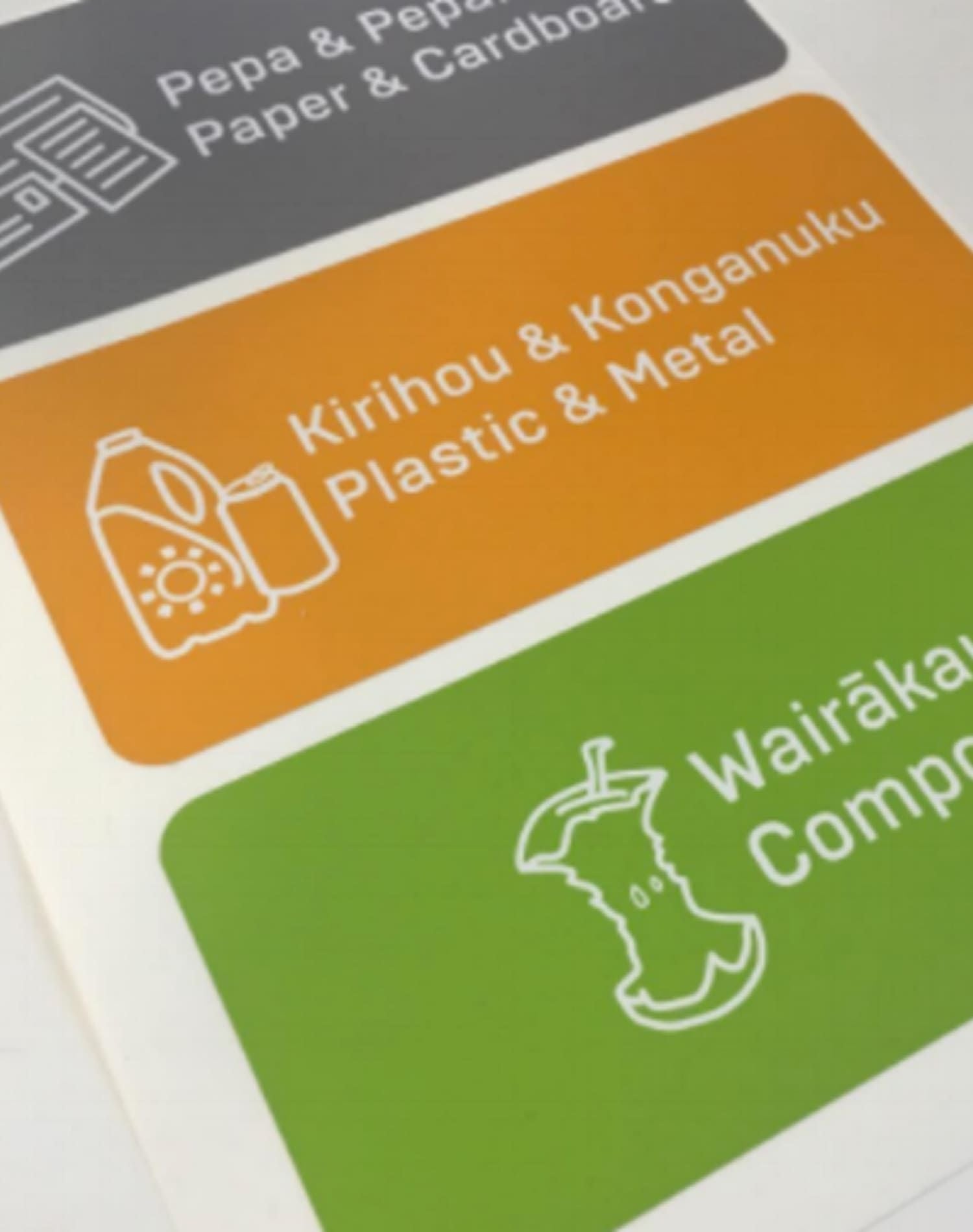
The te reo Māori words for recycling and waste, and the labels Method made for Māori Language Week.
Does the recycling symbol mean recyclable? We debunk nine common myths with what is actually true.
Recycling is far from perfect, but here is what it still achieves and what we should be aiming for.
An honest look at how Method handles its own recycling and waste, including what we get wrong.
How to build a green team at work: recruit the right people, set goals, and turn talk into action.
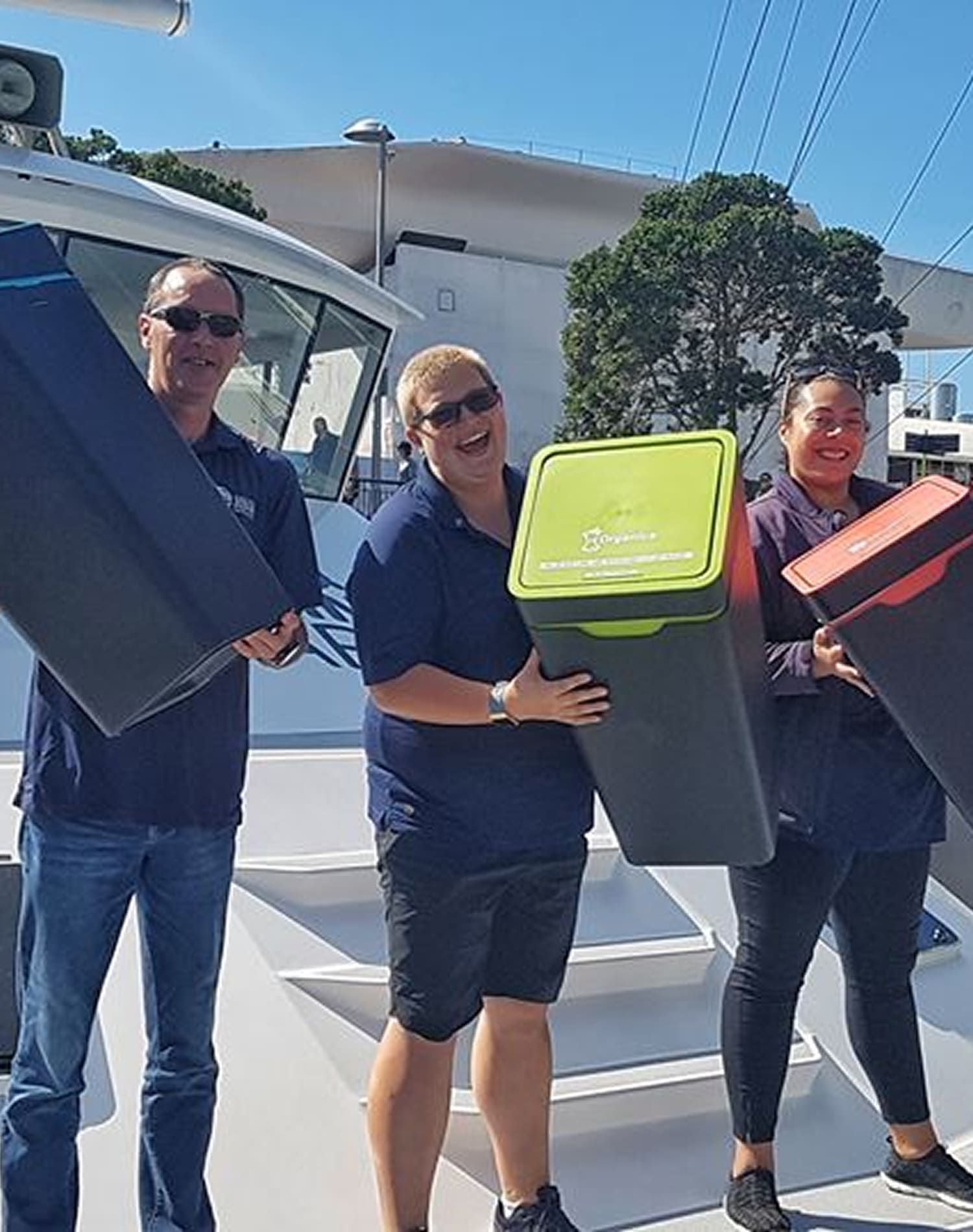
How Auckland Whale and Dolphin Safari keeps its recycling running on a boat, out on the water.
Office bin overflowing after every lunch hour? Tips from Reusabowl to cut single-use packaging.
Choosing a waste provider: the questions to ask, the red flags, and how to keep the relationship.
What really happens to wrongly sorted recycling, and how sorting facilities deal with contamination.
The hardest part of a new recycling programme is getting everyone educated and onboard. Start here.
How Xero built recycling into an office designed around how its people actually work.
Facility manager Robert Houston on running waste and recycling at 120 Collins Street, Melbourne.
Part two of Recycling 101: the recycling terms worth knowing, explained in plain language.
How paper recycling works, plus straight answers on receipts, pizza boxes and coffee cups.
Co-founder Steven Korner on what B Corp certification asked of Method, and what changed because of it.
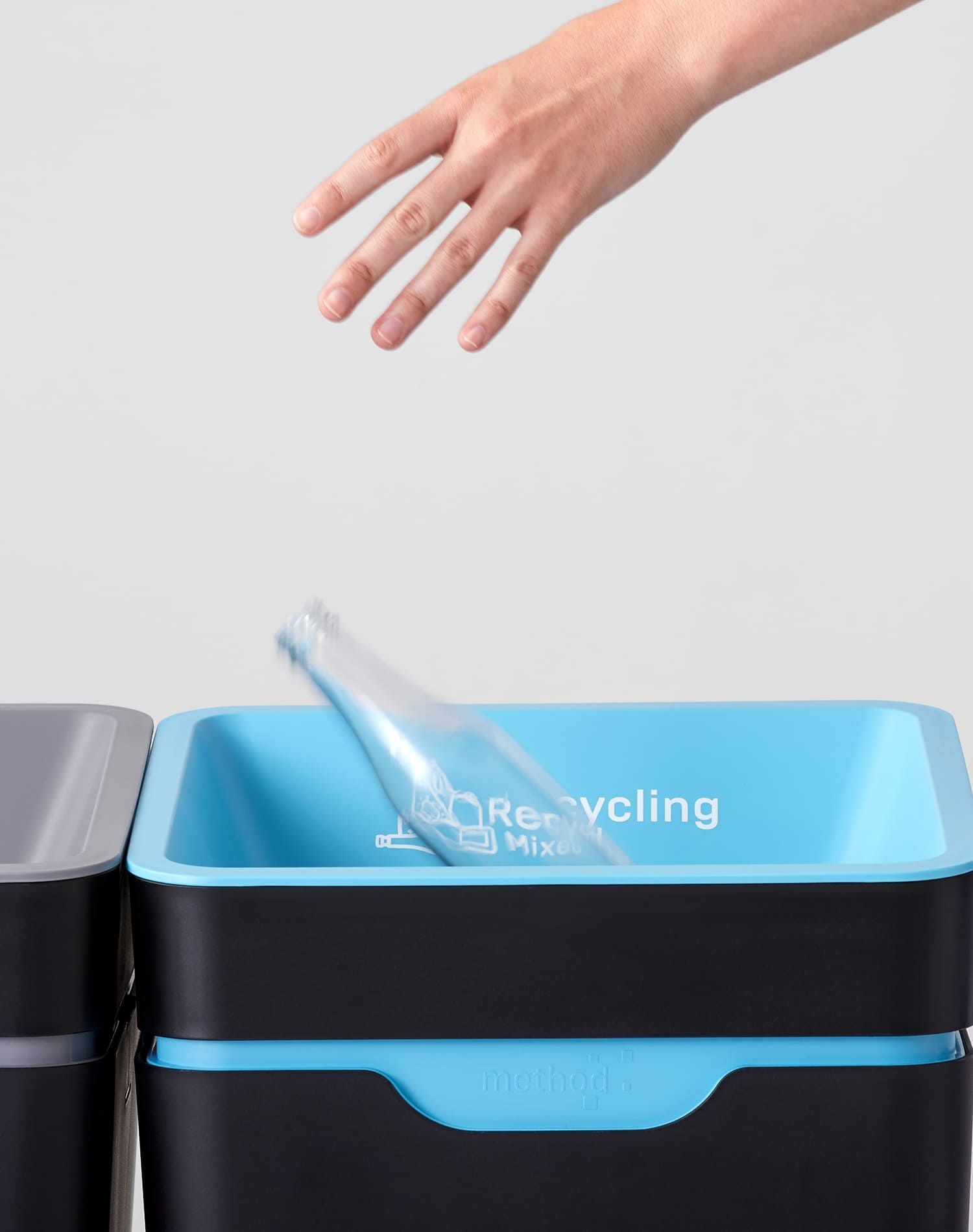
How the Method system works, and why removing desk bins makes recycling the easier choice.
What it takes to engineer recycled plastic for strength and quality, without losing circularity.
Your bins and signs are in place. Five ways to take workplace recycling from good to great.
How to make the business case for sustainability and get leadership genuinely behind it.
We compare the setup and service costs of Method recycling stations against individual desk bins.
Cleaners are the second step in your waste process. How to bring them into your recycling goals.
Kaicycle on the myths that stop workplaces collecting organic waste, and what actually works.
How Work inc owned up to their waste problem and rebuilt their recycling from the ground up.
Getting a workplace to zero waste feels overwhelming. Here is where to start and what to expect.
Eight steps to build a workplace recycling system that people actually use and that keeps working.
What a precycler is, and how removing desk bins makes recycling easier than throwing things away.
Of all the certifications Method could have pursued, B Corp is the one that fit the business.
Coffee cups, receipts, compostable packaging: the most mis-recycled items and where they go.
Wish-cycling is hoping the wrong item gets recycled. Why it backfires and what it costs.
A quick rinse is usually enough. The rules on rinsing, greasy pizza boxes and contamination.
The waste hierarchy from refuse to disposal: what each tier means and how to practise it.
Why people recycle more at home than at work, and what a workplace can do to close the gap.
Plastic codes tell you what a container is made from, not whether it is recyclable. All seven.
Ten practical ideas for cutting recycling contamination by changing how people use the bins.
Method began with Steven and India Korner selling generic bins out of the back of a van.
Why Method bins are polypropylene: our recycled content, kerbside sourcing and recyclability.
Method's goal: help organisations divert one billion kilograms of waste from landfill by 2030.
Compostable, degradable or plant-based? Which bin liner is genuinely the most sustainable.
Method was named a Best for the World B Corp in 2021 and 2022. What that recognition meant.
Over 1.3 billion tonnes of food is wasted each year. Four reasons to collect organics at work.
Practical ways to cut single-use coffee cups at work, from mug libraries to cup-swap schemes.
What waste streams are, the questions to ask, and the pros and cons of common collection methods.
Four ideas for teaching recycling in class, from waste audits to worm farms students can build.