Recycling 101: What do the Plastic Codes Mean?
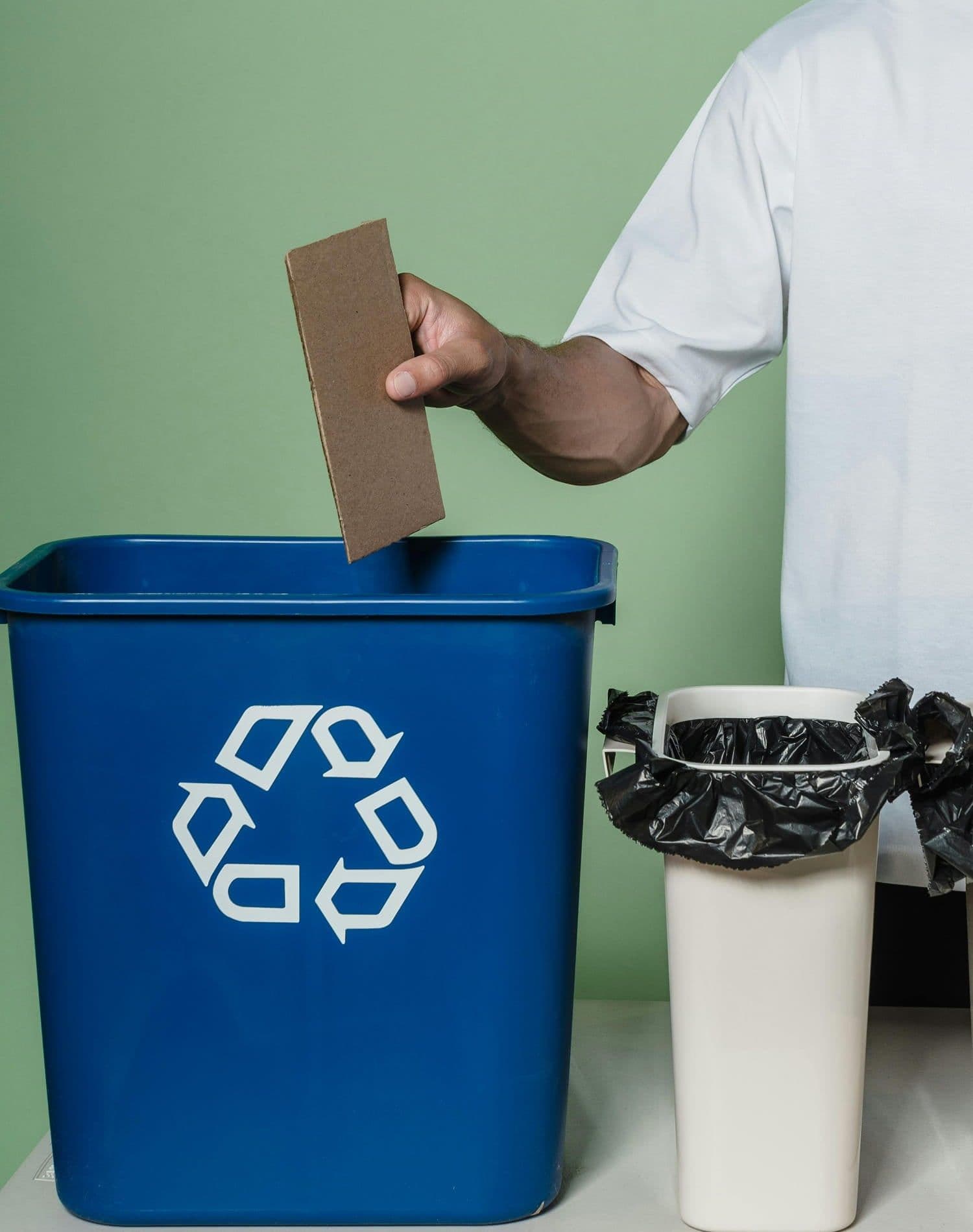
The chasing arrows symbol we all recognise was designed in 1970 by a university student, Gary Anderson, for a design competition. Nearly two decades later, in 1988, the Society of the Plastics Industry introduced a near-identical symbol with a number inside it: the Resin Identification Code (RIC). The plastic codes tell manufacturers what type of plastic an item is made from; they say nothing about whether it can be recycled. So people naturally assume anything stamped with the arrows is recyclable, one of the most common misconceptions in recycling. Here is what each of the seven plastic codes actually means.
The seven plastic codes explained
Code 1: PET (polyethylene terephthalate)
PET is one of the most widely recycled plastics in the world and turns up in a lot of food packaging. Clear PET is especially valuable because it can be turned into products of similar quality and form.
Common PET products:
- Soft drink, juice and water bottles
- Fruit and vegetable clamshells
- Plastic peanut butter and mayonnaise jars
Code 2: HDPE (high-density polyethylene)
HDPE is another widely recycled plastic. Hard and durable, it stands up to most solvents, so it is the usual choice for cleaning and personal care products. A 2018 trial by European bin manufacturer ESE found that uncontaminated HDPE can be reprocessed at least ten times.
Common HDPE products:
- Milk bottles
- Cleaning product bottles
- Soap and shampoo bottles
Code 3: PVC (polyvinyl chloride)
PVC copes well with sunlight, water and rough treatment, but it can leach chemicals over time, so it is a poor fit for food use. Most kerbside collections do not accept it; New Zealand banned PVC meat trays in 2022.
Common PVC products:
- Plumbing pipes
- Garden hoses and cables
- Children's toys
Code 4: LDPE (low-density polyethylene)
LDPE makes up most of the world's soft plastics: the bags and films that scrunch in your hand. It is not accepted in kerbside bins. Drop-off schemes cover it in many places, though: New Zealand's Soft Plastic Recycling Scheme, front-of-store bins at most large UK supermarkets, and a growing number of Australian supermarkets since REDcycle's 2022 collapse.
Common LDPE products:
- Bread bags
- Frozen food bags
- Resealable sandwich bags
Code 5: PP (polypropylene)
PP is a durable plastic with many uses, and it has moved into the recycling mainstream. New Zealand kerbside collections now accept it nationwide, and most UK and Australian councils take PP pots, tubs and trays.
Common PP products:
- Takeaway containers
- Margarine and yoghurt containers
- Ice cream tubs
Code 6: PS (polystyrene)
Polystyrene, including the foamed styrofoam version, is falling out of general use. It is hard to recycle, can leach chemicals when heated, and is almost never collected kerbside. New Zealand banned polystyrene takeaway packaging in 2022.
Common PS products:
- Foam food containers and packing peanuts
- Burger clamshells
- Some coffee cup lids
Code 7: Other
Code 7 is a catch-all for every plastic that does not fit the other categories, and these are almost never recycled. It includes bioplastics such as PLA, made from corn starch or sugarcane. PLA breaks down only in commercial composting facilities, never in a recycling stream.
Common code 7 products:
- Anything marked 'bioplastic' or 'compostable plastic'
- Baby bottles and sippy cups
- Water cooler jugs
Which plastic codes can go in your recycling bin?
It depends where you live, which is why the codes cause so much confusion. In New Zealand, kerbside recycling was standardised nationwide on 1 February 2024: every council now accepts plastic bottles and containers marked 1, 2 and 5, and nothing else. Lids stay out, along with anything smaller than 50 mm or larger than four litres.
In England, Simpler Recycling now requires councils to collect a consistent set of materials, including plastic pots, tubs and trays. Australian councils set their own lists, but 1, 2 and 5 are the safest bets there too. Wherever you live, codes 3, 4, 6 and 7 almost never belong in the kerbside bin; check your council's website rather than trusting the arrows.
The future of plastic recycling
Once plastic is coloured, there is no going back, so clear or natural plastic remains the most valuable and the easiest to recycle. And there is room to improve: the OECD estimates only 9 per cent of the world's plastic waste actually gets recycled. The industry is moving away from hard-to-recycle plastics, and producer responsibility schemes in the UK and Europe now charge manufacturers more for hard-to-recycle packaging. Effective recycling starts at the design stage, and we hope more businesses consider the end of a product's life when they design it. After all, sustainable change is not one person doing it perfectly. It is all of us doing it imperfectly.
Common questions
What do the numbers on plastic packaging mean?
The number inside the arrows is the Resin Identification Code, which identifies the type of plastic an item is made from, not whether it can be recycled.
Which plastic numbers can be recycled?
Plastics 1 (PET), 2 (HDPE) and 5 (PP) are the most widely recycled. They are the only three accepted in New Zealand kerbside collections and the most commonly accepted elsewhere.
Does the recycling symbol mean an item is recyclable?
No. On plastic, the arrows with a number are a materials label, not a recycling claim; check your council's rules for what is accepted.
Explore More Stories
Discover more insights and stories from our journal