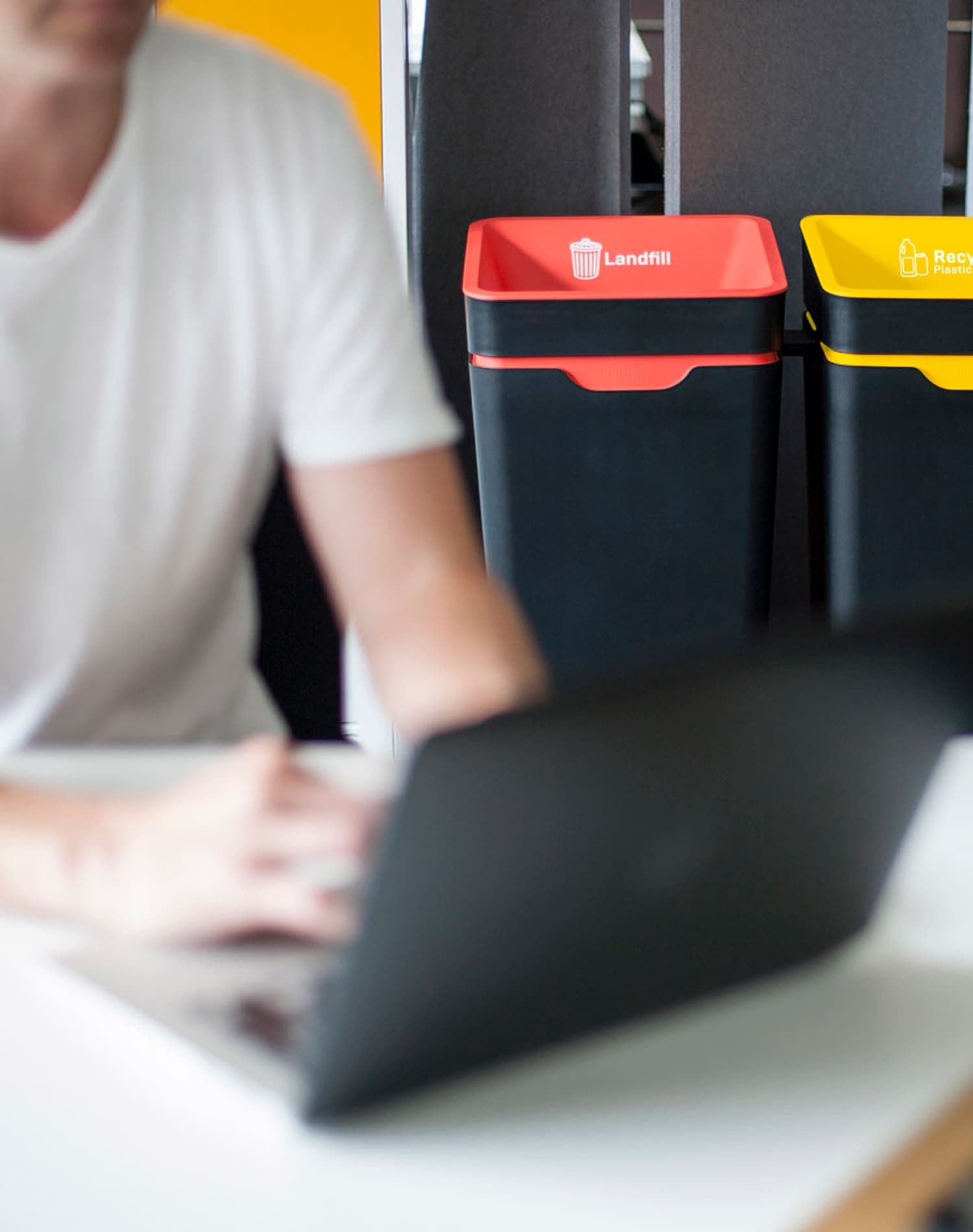
Method Recycled Materials Story - why plastic?
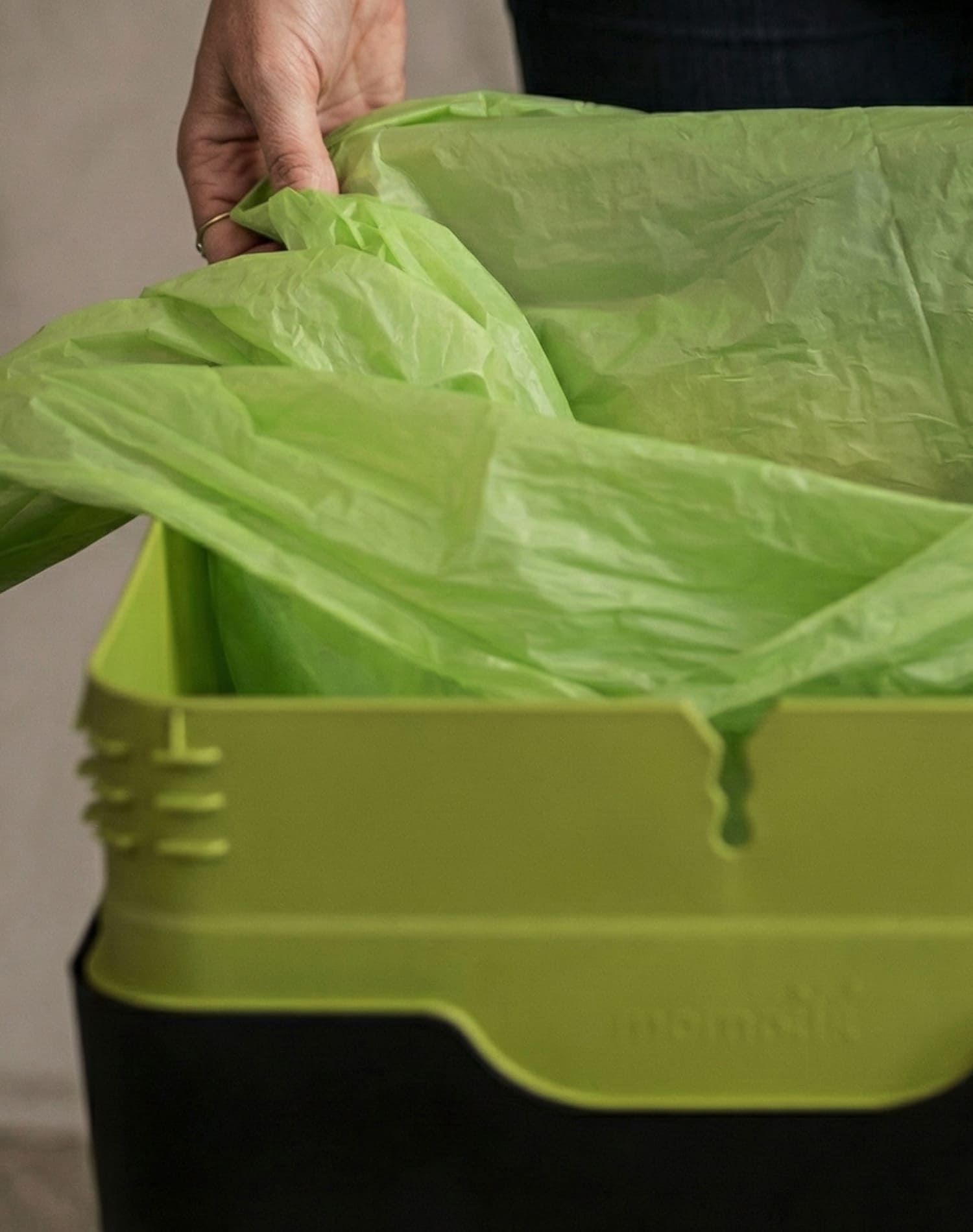
People often ask why a company built around sustainability makes its recycling bins from plastic. Our bins are made from polypropylene, increasingly from recycled polypropylene, and we chose it deliberately. In the design process we considered everything from stainless steel to bioplastics, and no material matched polypropylene for strength, durability, recyclability and its matte finish.
The concern about plastic is understandable, because the plastic problem is real. We believe the answer is using plastic responsibly: designing for circularity and moving away from single-use.
Is polypropylene a sustainable choice?
Polypropylene, or PP, is number 5 plastic. It is strong, durable, and resistant to fatigue and heat. It is one of the more structurally stable plastics, without the off-gassing and toxicity concerns of some others, which is why it is trusted for medical equipment and food packaging such as ice cream containers and bottle lids. That same ubiquity means more recyclers collect it every year.
Kept pure, PP is fully recyclable. Broken parts, end-of-life stock and production errors are chipped down and fed back into production. This is why we use pure PP with no other plastics or coatings layered over it: our bins stay fully recyclable at the end of their life.
How much recycled material is in Method bins?
Sourcing quality recycled PP in New Zealand, in the quantities injection moulding demands, was not straightforward. Working with our manufacturing partners and recycling processors, we brought our 60L bins to 50% recycled material, a mix of post-consumer and post-industrial plastic sourced in New Zealand.
That work also let us make 100% of the Method Twenty's black components from recycled material; the bin is 80% recycled overall. We deliberately maximised the black components to lift the recycled share.
Our recycled plastic is sourced locally, including from kerbside collections in Whanganui and Christchurch. The source material varies, but often includes:
- 1-litre yoghurt containers
- 2-litre ice cream containers
- Car bumpers
- Buckets
- Car wheel covers
The challenge with coloured components
Coloured parts are harder. To hold our colours consistently, recycled PP needs to come from a clear or natural source, and that material is scarce onshore. We keep working with processors in New Zealand and Australia to find reliable recycled sources for our lids, and continue to explore collection schemes that could supply it at scale.
Built to last in a busy workplace
Strength and durability drove the material choice as much as recyclability. A bin in a busy office takes real punishment, and a bin that needs replacing every couple of years is not sustainable. Injection moulding lets us keep the base relatively thin while the bin carries 20kg or more of waste a day for years. We back that with a 5-year warranty.
Reuse first, then recycle
Product stewardship has mattered to Method from the start. Our founders' view was that a product built to deal with waste needs a proper answer for its own end of life. Reuse comes before recycling: returned bins in usable condition are refurbished and donated, and bins beyond repair are recycled through our end-of-life return programme.
We stay open to changing materials if a more sustainable option meets our criteria. For now, pure polypropylene remains the honest answer to a hard design problem.
Common questions
What are Method bins made from?
Pure polypropylene, which is number 5 plastic. Because we do not mix in other plastics or coatings, the bins are fully recyclable at end of life.
How much recycled content do Method bins have?
Our 60L bins are 50% recycled material. The Method Twenty is 80% recycled, with its black components made entirely from recycled polypropylene.
What happens to a Method bin at the end of its life?
Send it back to us. Bins in usable condition are refurbished and donated, and anything beyond repair is chipped down and recycled.
Explore More Stories
Discover more insights and stories from our journal