Recycling and Waste at Method
Method's Recycling Program: A Transparent Look
Here at Method, we hire great people, and recycling skills aren't necessarily a prerequisite. In this journal, we'll take a transparent look at our recycling systems and how we educate and motivate people in our small but mighty Wellington office. Our other offices in Auckland, Sydney, and London currently operate out of co-working spaces, so this article will focus just on our HQ.
Our Recycling Stations
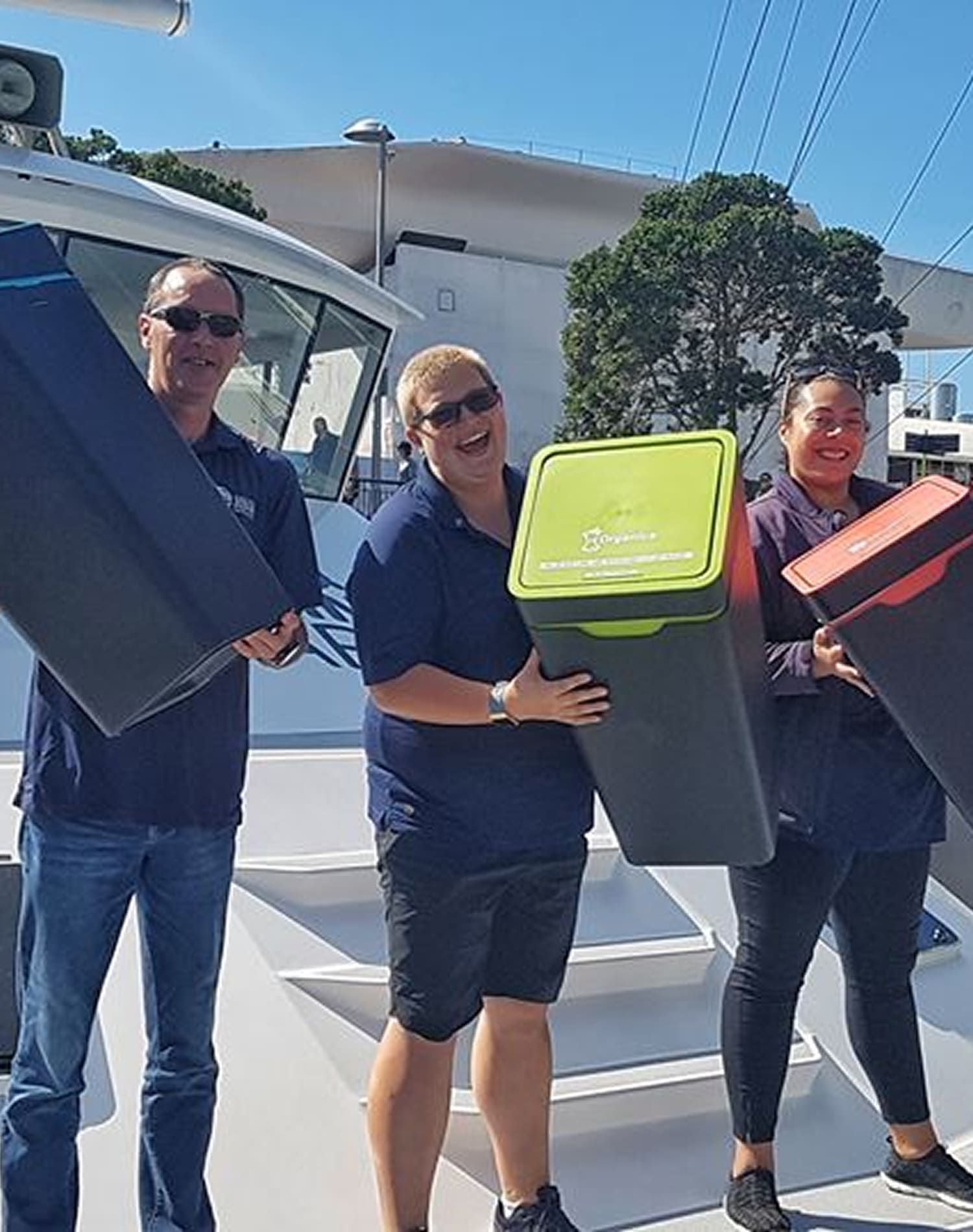
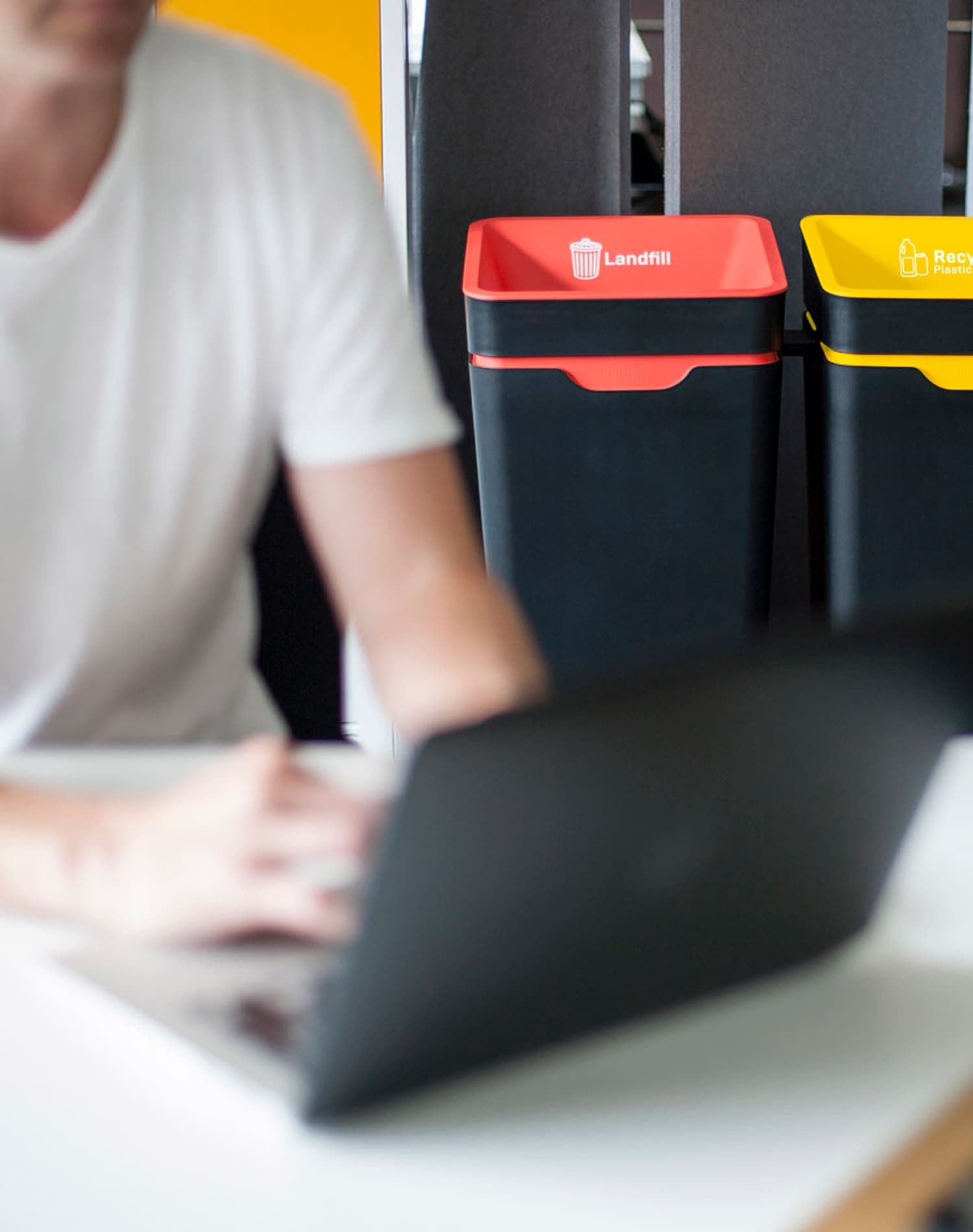
We have a Method Recycling Station in the main kitchen, comprised of five streams: landfill, organics, paper, plastics and cans, and glass. Soon, we will be adding back our soft plastic bin as the soft plastic scheme returns to Wellington! We also have a landfill and a paper bin in the R&D lab. This means that all staff are less than a 10-second walk from a recycling station. In addition, all desks are decked out with a set of desktop pre-cyclers. We don't produce a significant amount of waste or recycling, so we only empty our bins once a week on Wednesdays. We have a touch lid on the organics and landfill bins to control odors, and this has never been a concern.
Waste Management and Reduction Initiatives
Each week, before the cleaners come and collect the waste, one of the sustainability team weighs the waste on a standard set of scales. On average, we produce the following amounts in a week: Lately, our diversion from landfill is actually going down, but we see this as a good thing! While we sell recycling bins, we wholeheartedly believe in reducing and reusing before recycling. Lately, we have been implementing more initiatives to reduce the use of single-use packaging by staff, including:
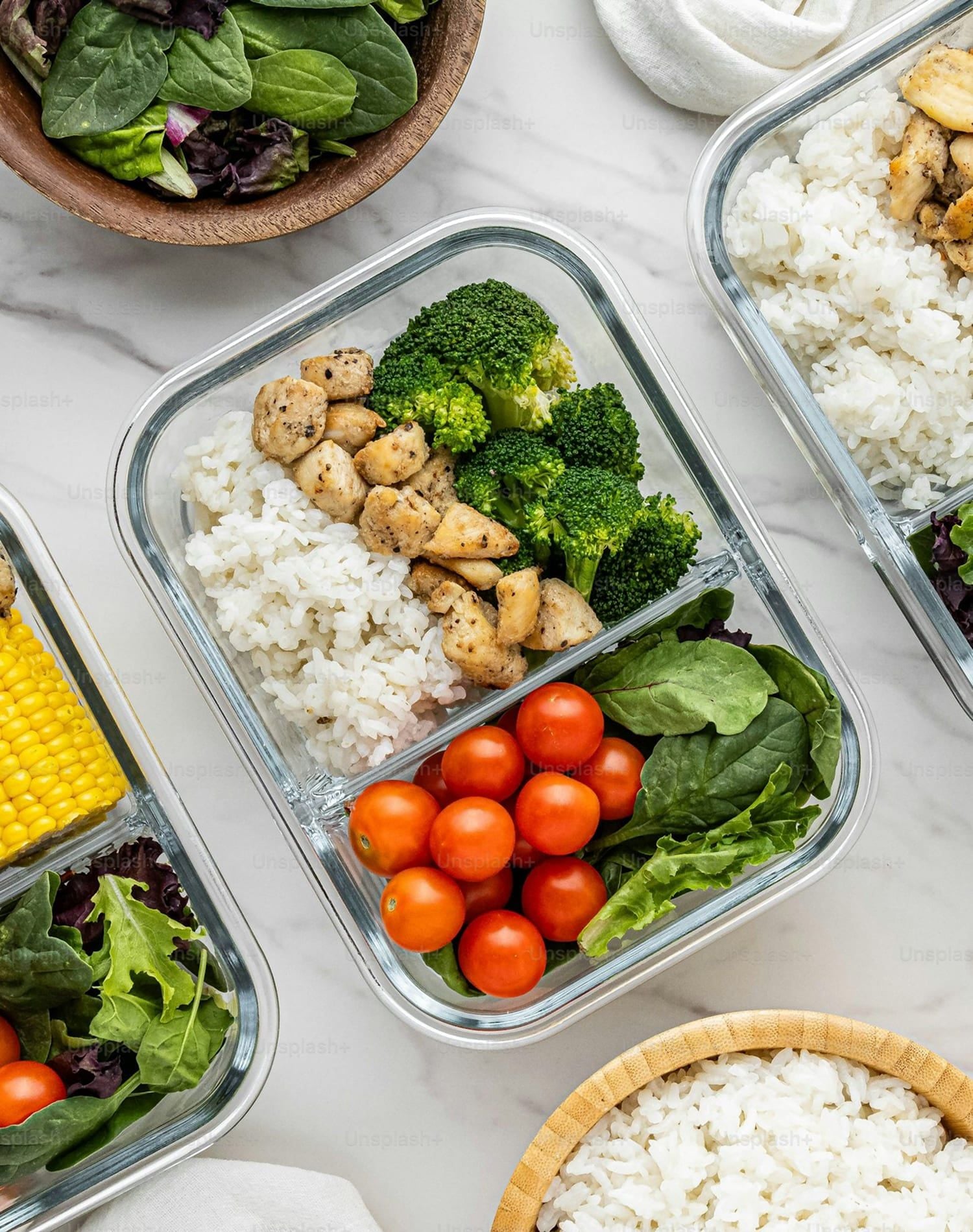
- Having glass food containers by the door for the team to grab as they go out for lunch.
- Everyone is provided with a Method reusable coffee cup.
- New starters are gifted a zero-waste starter kit.
- General education and discussion about how single-use packaging can be avoided.
With the soft plastic scheme returning to Wellington, we anticipate our diversion will improve significantly. Our goal is to one day reach 99% diversion from landfill, and we're certainly on the right track.
Lessons Learned and Recommendations
Compared to most, we have it pretty easy. While it isn't a prerequisite to be interested in recycling for some of our roles, most people become swept up with our mission and become passionate. It's also easier to implement and monitor these practices in a smaller organization, and we do recommend larger organizations have a team or third party that regularly monitors these processes and any resulting issues.
In saying this, we still have the same issues as any other organization that outsources cleaning services. There was some confusion around when our waste was collected and how it's put out. There was a period of time at the beginning of this year where we were unsure if our organics were being put out correctly and therefore being collected by our composter. This was resolved through communication with our cleaners, and we set up a clear system that worked for both parties.
Explore More Stories
Discover more insights and stories from our journal